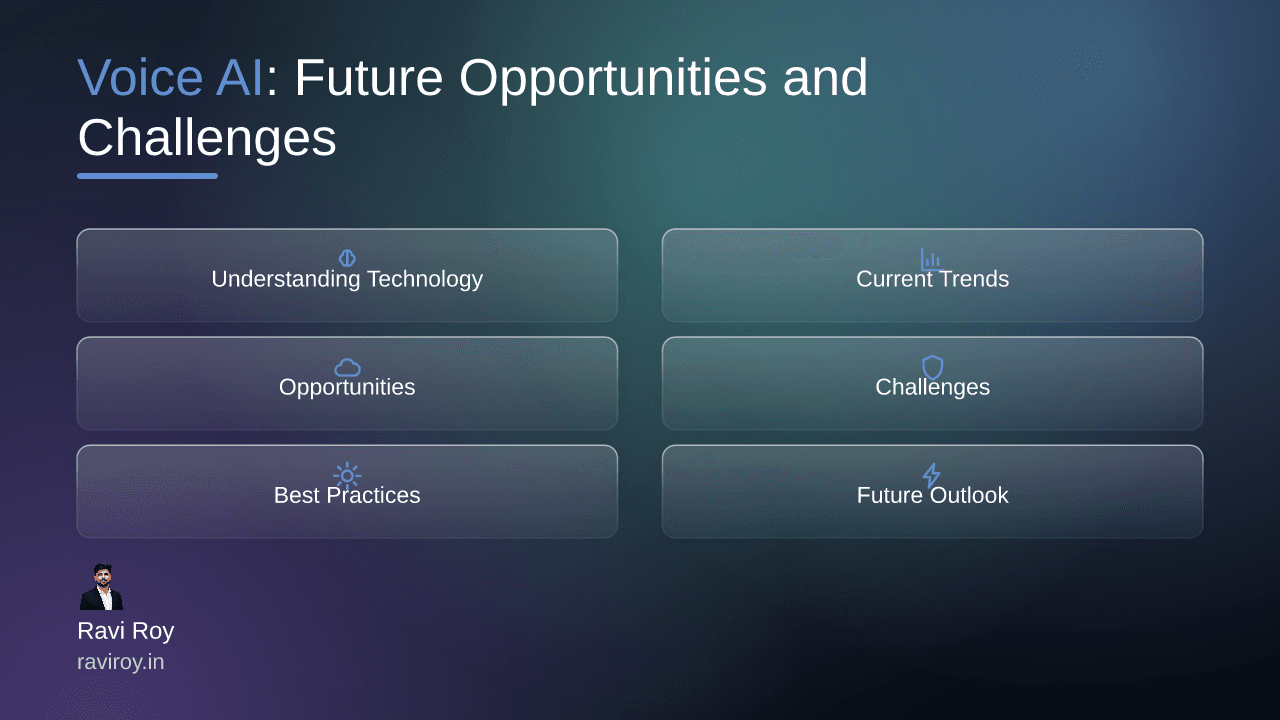
Understanding Voice AI Technology
Voice AI is revolutionizing the way humans interact with technology, allowing for hands-free control and seamless communication. But what exactly does this technology entail? At its core, Voice AI combines natural language processing (NLP) and speech recognition to facilitate human-like conversations between users and machines.
What is Voice AI?
Voice AI refers to the technology that enables machines to understand and process human speech. This includes applications like virtual assistants (like Siri and Alexa), automated customer service systems, and even smart home devices. As the demand for more intuitive technology grows, the scope of Voice AI expands, with significant implications for various sectors.
How Voice AI Works
Voice AI primarily relies on two technologies: natural language processing (NLP) and speech recognition.
Natural Language Processing (NLP) helps machines understand context, intent, and meaning from speech. It's the technology that attempts to make sense of unstructured data, transforming it into something machines can analyze.
Speech Recognition converts spoken language into text. Modern systems utilize deep learning algorithms to improve accuracy and adapt to individual accents and speech patterns.
Practical examples of Voice AI integration are becoming commonplace, from voice-activated home assistants controlling thermostats to chatbots in customer service that understand and respond to inquiries efficiently.
Current Trends Shaping Voice AI Development
The landscape of Voice AI is rapidly evolving, driven by user expectations and technological advancements.
User Experience Trends
One glaring trend is the shift towards personalized user experiences. Voice AI systems are increasingly tailored to individual users' preferences, learning from their past interactions to improve accuracy and relevance. As competition intensifies, developers are focusing on creating intuitive experiences that adapt to users’ specific needs.
Technological Advancements
On the tech front, advancements in machine learning and deep learning are propelling Voice AI into new realms. Enhanced algorithms are improving performance, enabling devices to comprehend varied dialects and languages. The rising demand for multilingual support means developers must cater not just to a single language but also recognize and adapt to numerous accents and regional dialects effectively.
Opportunities for Developers in Voice AI
The Voice AI market is ripe with opportunities. Developers can explore various sectors that are beginning to integrate this technology.
Market Demand
Industries such as healthcare and education are increasingly leveraging Voice AI to streamline operations. For example, in healthcare, voice-activated systems are used for patient management, enabling quick data retrieval and documentation in clinical settings. Developers who create solutions tailored for these sectors can tap into a growing market that prioritizes efficiency and user engagement.
Innovative Application Areas
Moreover, there exists potential for custom Voice AI applications, particularly in the realm of smart homes. Developers can create unique skills that allow users to control everything from lighting to security systems with intuitive voice commands. Startups that have successfully harnessed Voice AI, like Loudly that uses Voice AI for music creation, serve as prime examples of how innovative ideas can flourish when merged with Voice AI technology.
Challenges Facing Voice AI Developers
While the future looks promising, there are significant challenges that developers must navigate.
Technical Limitations
One of the foremost issues is the accuracy of speech recognition systems, especially in real-world applications where noise interference is common. Context matters; without it, systems can misinterpret commands, leading to frustration for users. Developers need to constantly improve AI models to understand nuances in speech, tones, and contexts effectively.
Ethical Considerations
Another pressing concern revolves around data privacy and user consent. As Voice AI gathers vast amounts of personal data, ensuring its security is paramount. Developers must stay updated on regulations related to data usage and ensure compliance to build trust with users. The deployment of Voice AI must balance functionality and ethical considerations to avoid potential pitfalls.
Best Practices for Developing with Voice AI
Adopting best practices in Voice AI development can ease the challenges previously mentioned and lead to more successful projects.
Designing for Voice
When building Voice AI applications, it’s essential to focus on the user experience. Developers should implement principles such as keeping responses concise and intuitive, allowing for follow-up questions, and designing for the constraints of speech. Voice interactions should feel as natural and fluid as conversations between humans.
Testing and Iteration
Continuous user feedback is vital for iterative design in Voice AI applications. Developers should engage in A/B testing and focus on gathering insights from real users to refine their offerings. Utilizing frameworks and tools such as Dialogflow and Rasa can help streamline the development process, enabling rapid iteration based on user experience.
Future Outlook: The Next Decade of Voice AI
What lies ahead for Voice AI is a closely watched area of innovation.
Predictions
Market analysts forecast substantial growth within the Voice AI sector, driven by advancements in technology and increasing integration across various industries. As the technology continues to evolve, we may see a shift towards fully conversational AI interfaces that understand and engage with users more like a human do. This opens up a plethora of opportunities for developers to create even more sophisticated applications.
Potential Innovations
Emerging industries for Voice AI integration include automotive and smart environments that require hands-free interaction. Companies that invest in the research and development of these areas may find themselves at the forefront of a burgeoning market.
In conclusion, the Voice AI landscape presents a mix of exciting opportunities and formidable challenges for developers. The journey of integration begins with understanding the technology, leveraging current trends, and adopting best practices while remaining mindful of ethical considerations.
What specific Voice AI challenges have you faced in your projects, and how did you overcome them?
💬 Join the conversation — share your take in the comments and tell us what you’d add.