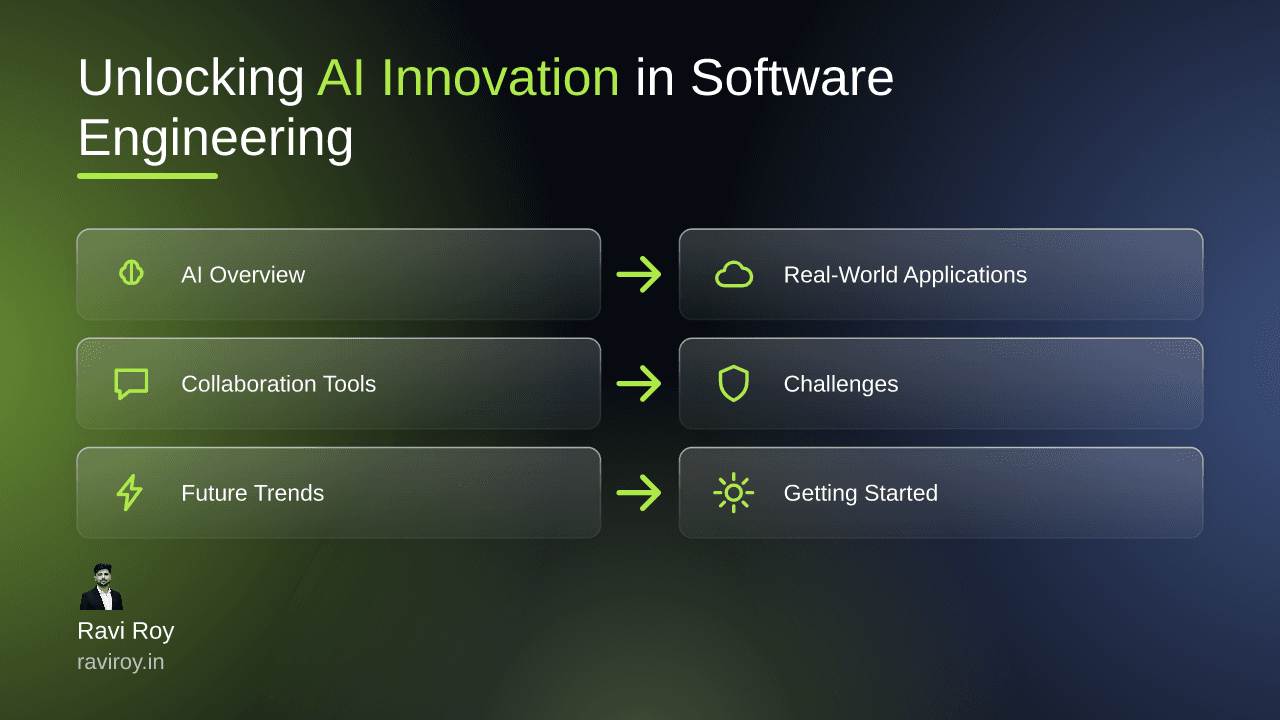
Understanding AI Innovation in Software Engineering
In a world where technology evolves at breakneck speed, AI innovation is not just an option; it’s a necessity for thriving in software engineering. With tools and techniques that can dramatically enhance efficiency and creativity, the marriage of AI and software development is transforming the landscape of how we build applications.
What is AI Innovation?
AI innovation refers to the incorporation of artificial intelligence technologies to revolutionize software engineering processes. This involves harnessing algorithms and models to automate routine tasks and enhance decision-making within the development lifecycle. From predictive coding to intelligent testing tools, the role of AI is profound, promising not just increased productivity but also improved code quality.
Key Components of AI in Development
To appreciate the magnitude of AI innovation, it’s essential to delve into its core components:
Machine Learning (ML): This enables software systems to learn from data and improve over time without being explicitly programmed. An example can be seen with automated testing tools that adapt their strategies based on detected bugs.
Natural Language Processing (NLP): NLP allows computers to understand and respond to human language. This can significantly aid in developing chatbots for support or even simplifying code documentation.
Neural Networks: These are designed to mimic the way human brains operate and are critical for deep learning applications, enhancing capabilities in image recognition and language translation, among others.
Understanding these components lays the groundwork for appreciating the significant advantages AI can bring to the software engineering realm.
Real-World Applications of AI in Software Engineering
Automated Coding Assistants
The advent of tools like GitHub Copilot has transformed the coding experience. By leveraging AI, these coding assistants analyze what a developer has written and suggest code snippets or even entire functions. This leads to increased coding efficiency and allows engineers to focus on more complex problem-solving tasks rather than mundane coding.
Imagine this scenario: a developer working on a new feature for an application can type a comment like, "create a function to calculate user age," and within seconds, suggestions will pop up that they can refine or put to use directly in their project. This drastically reduces the time from concept to creation.
Predictive Analytics for Software Testing
Reducing bugs is a perennial challenge in software engineering, but AI-driven predictive analytics are changing the game. By analyzing historical data, these tools can identify patterns and predict where bugs are likely to occur in future versions of the software. This not only saves time but also costs associated with later-stage debugging.
For example, if a project consistently faced performance issues in a specific module, predictive analytics would alert developers to that risk when developing future updates, allowing preemptive fixes.
Enhancing Collaboration and Workflow with AI Tools
AI-Driven Project Management
Project management tools like Jira are increasingly integrating AI features that facilitate task prioritization and workload balancing among team members. By analyzing past team performance and project timelines, these tools can make intelligent suggestions on who should handle what tasks based on skills, availability, and workload.
Imagine a team leader needing to decide who can best tackle an urgent bug fix. With AI tools nudging them toward the most qualified developer based on current project demands, decisions can be made more efficiently, ensuring that team resources are utilized optimally.
Real-Time Code Review Systems
Automated code review systems powered by AI can provide immediate feedback on code quality, style, and potential issues. Instead of waiting for a human reviewer, developers receive suggestions and corrections instantly, streamlining the feedback loop significantly.
For instance, when a developer submits a pull request, an AI can analyze changes against best practices and company standards, providing comments directly in the code. This immediate feedback not only accelerates the review cycle but also fosters a culture of continuous improvement among engineers.
Challenges and Considerations in AI Adoption
Managing Algorithmic Bias
As with any technology, AI innovation comes with its challenges, particularly algorithmic bias. This bias can arise from the data used to train AI systems, leading to unfair or inaccurate outputs. To mitigate this, teams must ensure diversity in training data and regularly evaluate algorithms against bias benchmarks.
Companies like Google are already employing methodologies to assess fairness in their AI models, and adopting such frameworks is crucial for ethical software engineering.
Security Concerns in AI Systems
Implementing AI solutions within software engineering also introduces unique security challenges. Vulnerabilities in AI algorithms can be exploited, making robust cybersecurity measures essential. It is advisable for engineers to regularly conduct security audits and work closely with security experts throughout the software development lifecycle to ensure comprehensive safeguards are in place.
The Future of AI Innovation in Software Engineering
Emerging Trends to Watch
The trajectory of AI technologies over the next decade could see even more sophisticated machine learning algorithms, advanced natural language processing capabilities, and more intuitive integration within development ecosystems. Keeping an eye on these trends is essential for teams aiming to stay ahead.
For example, the future might see AI functionalities becoming more deeply integrated with DevOps tools, allowing for a seamless interface between coding and deployment.
Preparing Teams for AI Integration
As the landscape evolves, preparing teams for AI integration is vital. Companies should invest in training programs that focus on both the technical skills to utilize AI tools and the soft skills required to adapt to a rapidly changing environment. Online platforms like Coursera and Udacity offer specialized courses in AI and machine learning tailored for software engineers.
Get Involved: How to Start Implementing AI Innovation
Tools and Frameworks for Beginners
For those looking to dip their toes into AI, beginner-friendly tools like TensorFlow and PyTorch are excellent starting points. These frameworks provide developers with the necessary resources and community support to explore AI models without overwhelming complexity.
Building a Culture of Innovation
Fostering an innovative mindset among engineers is crucial for successful AI integration. Encouraging regular hackathons, collaboration sessions, and ongoing learning opportunities can help instill a culture that embraces experimentation and creativity.
As more organizations harness the power of AI innovation to enhance software engineering, the potential for groundbreaking applications, tools, and methodologies will continue to expand.
How has AI Innovation changed your approach to software engineering projects? Share your experiences with tools, processes, or challenges you've encountered in your journey!
💬 Join the conversation — share your take in the comments and tell us what you’d add.