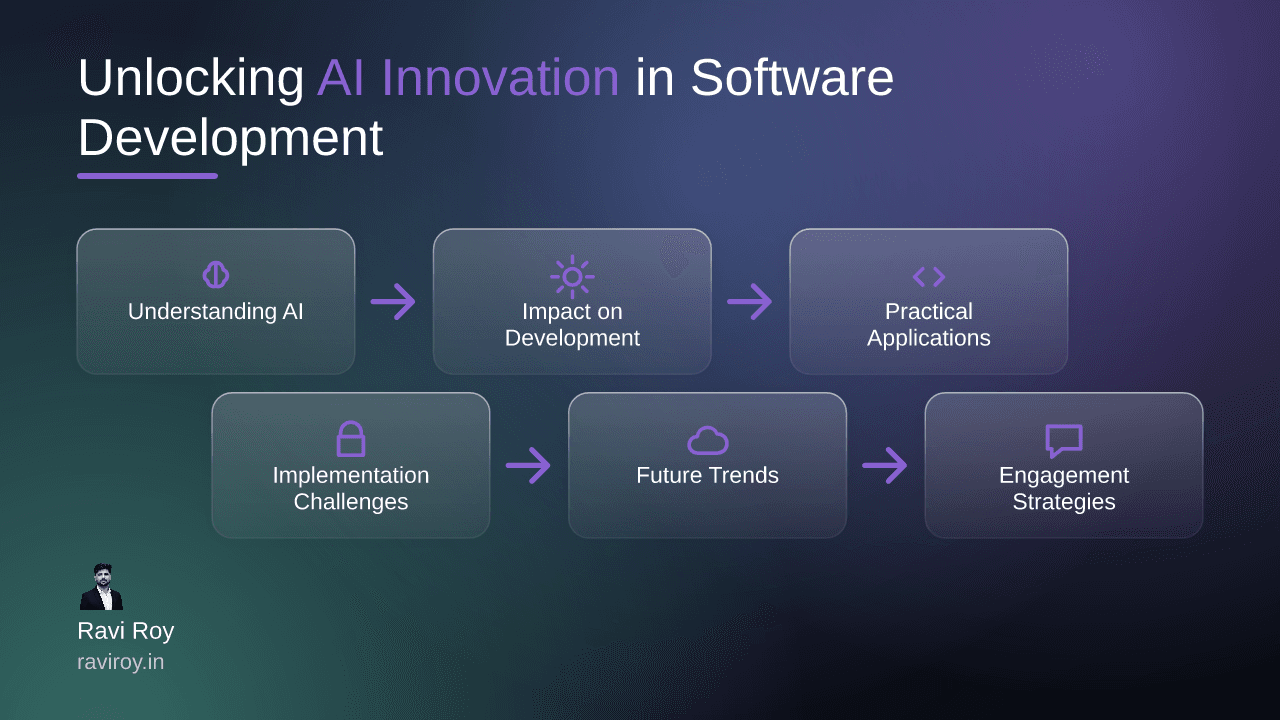
Unlocking AI Innovation: Transforming Modern Software Development
The race to integrate AI into software development isn’t just a trend; it’s a necessity for teams aiming to stay competitive in a rapidly evolving environment. With technology skyrocketing toward more sophisticated solutions, understanding AI innovation is your ticket to transforming how your development teams operate.
Understanding AI Innovation
What is AI Innovation?
AI innovation encompasses the transformative use of artificial intelligence technologies in various sectors, particularly software development. This innovation includes machine learning, natural language processing, and data analytics, enabling smarter applications and streamlined development processes. With AI at the helm, software development can become more efficient, adaptive, and capable of solving complex problems previously deemed too intricate for algorithms.
Key Components of AI Innovation
The push for AI innovation in technology is primarily driven by three elements:
Technological Advancements: From cloud computing to enhanced processing power, these advancements enhance how AI can be deployed in software development, offering more robust solutions.
Machine Learning and Data Analytics: These technologies allow developers to analyze current codebases and user behaviors, enabling applications to adapt in real-time based on user interactions and environmental changes.
Automation: The workflow is significantly augmented by automating labor-intensive tasks, resulting in increased productivity and creativity in development teams.
Impact of AI Innovation on Software Development
Enhancing Development Efficiency
One of the most tangible benefits of AI in software development is its ability to boost efficiency. Automation reduces the time spent on repetitive tasks such as debugging and code formatting. Tools like GitHub Copilot suggest code snippets based on the context, allowing developers to write faster and focus on critical aspects of the project.
Example: Consider using an AI-assisted tool such as SonarQube, which helps detect bugs and vulnerabilities in real-time. This not only shortens time-to-market but also leads to fewer resources spent on post-launch maintenance.
Improving Code Quality
AI tools can significantly elevate code quality through advanced analysis techniques. AI-driven code review systems not only provide insights on best coding practices but also utilize historical data to identify potential bugs before they become a problem.
Case Study: A leading fintech startup integrated AI tools for code review and experienced a 40% reduction in production bugs within their first quarter. This improvement not only enhanced product reliability but also boosted user trust significantly.
Practical Applications of AI Innovation in Development
AI in DevOps
The DevOps lifecycle has seen a seismic shift with the integration of AI tools. These tools facilitate everything from continuous integration to delivery. By embedding AI into this lifecycle, developers can automatically analyze performance metrics, predict issues before they arise, and streamline collaboration.
Implementation Strategy: Utilizing platforms like Jenkins integrated with AI can provide automated deployment processes. For instance, incorporating AutoML with Jenkins allows teams to enhance their CI/CD pipelines by analyzing data models and proposing performance optimizations.
AI-Driven Testing Frameworks
Testing is an area ripe for AI disruption. AI-driven frameworks can reduce manual testing efforts and provide continuous feedback during the software development lifecycle.
Real-World Example: Companies like Facebook and Netflix utilize AI-driven testing frameworks to enable quicker feedback loops. For instance, using tools like Test.ai allows for automated UI testing using AI bots that emulate user behavior, drastically cutting down on testing time.
Challenges in Implementing AI Innovation
Data Privacy Concerns
With the adoption of AI comes the pressing issue of data privacy. Ensuring data security while implementing AI systems is paramount, especially when handling sensitive information. Companies must navigate regulatory compliance while ensuring robust security protocols are instituted.
Best Practice: Organizations should implement data anonymization techniques and comply with GDPR and other regulations to safeguard user information while still leveraging AI's analytical capabilities.
Skill Gaps in the Workforce
One significant barrier to AI implementation is the skill gap. Many developers lack the necessary training to effectively use AI tools, resulting in underutilization of available technology.
Solution: Companies should invest in upskilling their workforce through comprehensive training programs. Online platforms like Coursera and Udacity offer specific courses on AI for software development, which can serve as excellent resources.
The Future of AI Innovation in Software Development
Emerging Trends
As we look forward, several trends in AI innovation will shape the landscape of software development. Expect more robust AI tools for predictive coding, enhanced data analysis, and personalized user experiences based on machine learning algorithms.
Prediction: By the year 2030, advancements in quantum computing might lead AI systems to process data at unprecedented speeds, enabling real-time solutions that adapt beyond current capabilities.
Long-Term Impact on the Industry
The integration of AI will not only change how software is developed but also redefine job roles within the industry. Areas like AI ethics, AI project management, and data science roles will likely proliferate as organizations become more reliant on intelligent systems.
Engaging with AI Innovation
Community and Collaboration
Joining communities focused on AI innovation can significantly enhance your understanding and implementation of these technologies. Platforms like GitHub and Stack Overflow offer forums for shared knowledge and collaboration.
Actionable Tip: Take part in hackathons or open-source projects to work collaboratively on AI tools. This communal engagement can also elevate your personal and professional learning.
Resources for Learning
A wealth of resources exists for those wishing to dive deeper into AI innovation. Websites such as Kaggle offer data sets to sharpen your machine learning skills, while courses on platforms like edX help bridge the gap between theory and practice.
Conclusion
AI innovation is revolutionizing the software development landscape, presenting unparalleled opportunities for efficiency, quality, and growth. As organizations harness these advancements, the potential for improved development practices increases exponentially.
What specific challenges have you faced in adopting AI innovation in your software development projects?
💬 Join the conversation — share your take in the comments and tell us what you’d add.