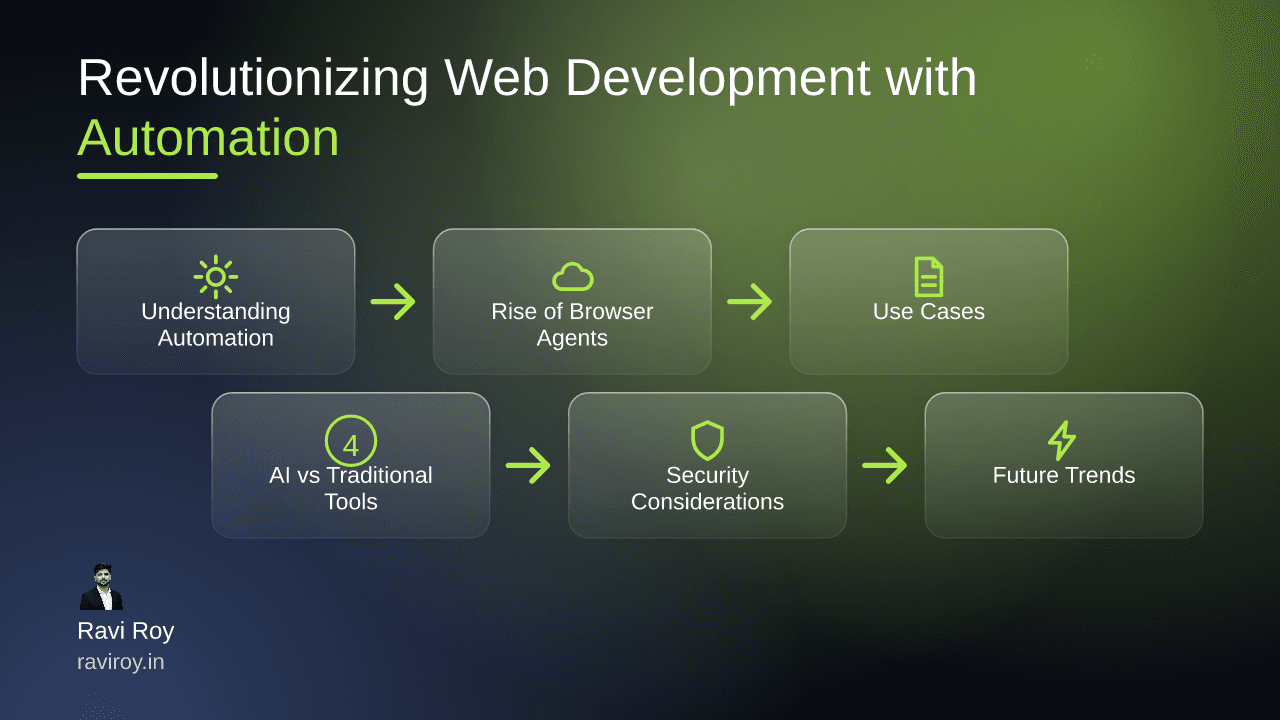
Understanding Automation in Web Development
Automation in web development is revolutionizing the way businesses operate, making processes faster and significantly more efficient. By leveraging automated scripts and tools, developers can minimize manual interventions, reduce errors, and allocate resources more effectively.
What is Automation?
In the context of web development, automation refers to the use of software to perform tasks without human intervention. These tasks typically involve repetitive actions that—if done manually—would consume substantial time and effort. Automation tools are designed to handle these processes, allowing developers to focus on more strategic tasks. By automating everything from code testing to deployment, teams can ensure that their workflows are streamlined and consistent.
Benefits of Automation in Web Processes
Automation offers numerous benefits that ultimately lead to substantial improvements in efficiency and accuracy. Here are some of the key advantages:
Increased Efficiency: Automation can handle high-volume tasks much faster than human workers. For instance, continuously running tests on web applications can be accomplished within minutes, rather than hours.
Reduced Errors: Automated processes eliminate the risk of human error in repetitive tasks. As a result, teams can achieve a higher level of accuracy in their applications.
Streamlined Repetition: By automating repetitive tasks—like data entry and content updates—developers can free up significant time, allowing them to innovate and work on more complex features.
The Rise of Browser Automation Agents
As businesses evolve, so does the technology they employ. One of the recent advancements is the use of browser automation agents, which have taken traditional automation to a new level.
What are AI Browser Agents?
AI browser agents are intelligent automation tools embedded within web browsers, designed to perform tasks that mimic human behavior. Unlike traditional automation tools such as Selenium, which require detailed scripting, AI agents can dynamically adapt to changes in web pages and user interactions, offering a more sophisticated means of automation.
Key Features of Modern Browser Agents
Modern browser automation agents boast a variety of features that differentiate them from their traditional counterparts:
Real-time Interaction: These agents can interact with live websites, responding to changes instantly. This feature makes them exceptionally versatile for a range of applications.
Adaptability: AI browser agents can learn from their interactions, adjusting their behavior based on input without needing manual adjustments to the code. This learning capability enhances their effectiveness over time.
Advanced Learning Capabilities: With machine learning algorithms, these agents can improve their efficiency by analyzing past actions, making them not only faster but also smarter.
Use Cases for Browser Automation Agents
The adoption of browser automation agents is becoming widespread across various industries, primarily due to their capability to handle essential tasks.
Common Tasks Automated by Browser Agents
Browser agents excel in a variety of functions, including:
Form Filling: Automatically inputting data into forms reduces time and minimizes errors associated with manual entry.
Data Scraping: Browser agents can extract valuable information from websites without the need for extensive coding or API utilization.
User Simulation: These agents can replicate user actions, allowing businesses to test user experience and functionality without human involvement.
Specific Use Cases Across Industries
Many industries are already seeing the benefits of browser automation:
E-commerce: Businesses can monitor competitors in real-time by using browser agents for price tracking, ensuring their offerings remain competitive.
Finance: Automated collecting of data from multiple financial websites helps analysts make informed decisions quickly.
Travel: Agents can scrape flight and hotel prices, automating the process of finding the best deals for travelers.
By saving time and resources, browser automation agents allow businesses to stay ahead of the competition while maintaining high accuracy in their operations.
Comparing AI Browser Agents to Traditional Tools
It's crucial to understand the differences between AI browser agents and traditional automation tools to make informed choices for your development processes.
Performance Metrics: Speed and Efficiency
AI browser agents typically outperform traditional tools regarding speed and accuracy. While Selenium requires a considerable amount of coding and setup to perform similar tasks, AI agents can adapt on-the-fly, requiring minimal configuration.
For instance, a case study demonstrated that an AI browser agent could perform website testing 70% faster than a Selenium-based tool while reducing error rates significantly (source).
Ease of Use: Low-Code and No-Code Solutions
One of the standout features of AI browser agents is their accessibility for non-developers. Many of these platforms offer low-code or no-code options, enabling users from various backgrounds to build automation scripts without needing in-depth programming knowledge. This democratization of automation has empowered organizations of all sizes to harness the power of technology without heavy reliance on IT departments.
Security Considerations for Browser Automation
While the advantages of browser automation agents are compelling, security cannot be overlooked.
Potential Risks with AI Browser Agents
The introduction of automation tools also brings potential security risks:
Unauthorized Access: Automated scripts running without proper safeguards can access sensitive data, leading to possible breaches.
Data Leaks: If not configured correctly, automation may inadvertently expose confidential information.
Best Practices for Safe Usage
To mitigate these risks, consider adopting the following best practices:
Use Robust Authentication: Ensure that login details and API keys used in automated processes are securely stored and encrypted.
Regular Monitoring: Continuously monitor automated tasks and scripts to capture any irregularities or unauthorized attempts at access.
Limit Permissions: Assign only the necessary permissions required for a script to function, keeping broader access confined to human users who need it.
Ensuring these practices can dramatically enhance the security of your automation endeavors, protecting data integrity and confidentiality.
Future Trends in Browser Automation
The landscape of web development is continually changing, and keeping an eye on future trends is essential for sustained success.
Hyperautomation: The Next Big Thing
Hyperautomation is poised to change how we think about automation once again. This approach combines advanced automation tools with a larger framework of governance and oversight, allowing organizations to automate complex business processes in a streamlined manner. It enables comprehensive solutions that integrate disparate systems and technologies into a cohesive workflow.
Collaboration Between AI and Human Operators
As automation becomes more sophisticated, the collaboration between AI and human operators is increasingly essential. This synergy can lead to:
Enhanced Productivity: By combining human creativity and AI efficiency, companies can achieve better outcomes than either could on their own.
Improved Workflow: The partnership allows for seamless handoffs, where AI handles repetitive tasks while humans focus on strategy and innovation.
Emerging technologies, including machine learning and natural language processing, are actively shaping the future of automation, paving the way for more intuitive and capable browser automation agents.
Conclusion
In a rapidly evolving landscape, web developers must harness new technologies to remain competitive. Browser automation agents represent a significant advancement in this regard, enabling teams to streamline processes, save time, and reduce errors while paving the way for more strategic initiatives.
What success stories have you encountered or experienced with browser automation agents?
💬 Join the conversation — share your take in the comments and tell us what you’d add.