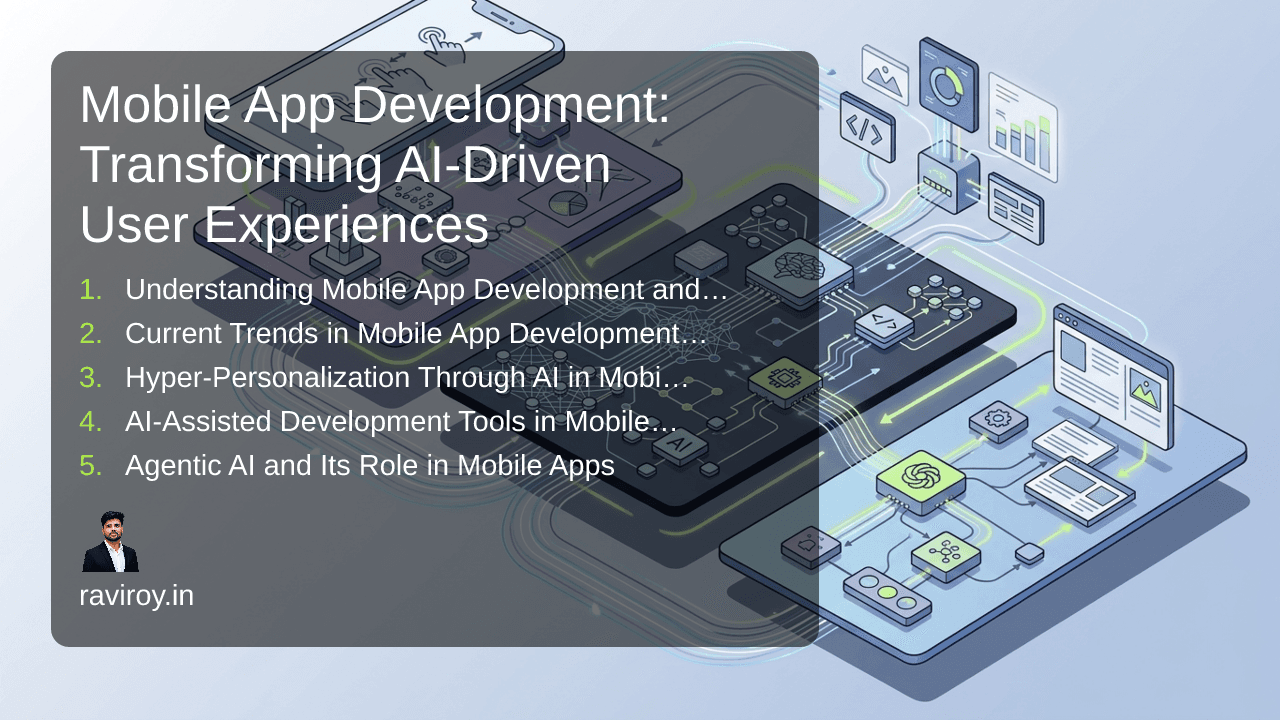
Mobile App Development: Transforming AI-Driven User Experiences
The future of mobile apps is not just about convenience; it’s about creating immersive and personalized encounters driven by artificial intelligence (AI). As the demand for engaging mobile user experiences skyrockets, the integration of AI in mobile app development transforms how we interact with technology daily.
Understanding Mobile App Development and AI
What is Mobile App Development?
Mobile app development encompasses the processes involved in creating software applications that run on mobile devices. This can include smartphones and tablets, serving a multitude of purposes ranging from entertainment to productivity. In today's digital landscape, having a well-designed mobile app is essential for businesses aiming to connect with their audience effectively. Apps can help improve brand visibility, engage customers, and streamline operations.
Role of AI in Mobile Apps
Artificial intelligence enhances mobile applications by making them smarter and more responsive to user needs. By analyzing user behavior, preferences, and patterns, AI technologies allow applications to deliver personalized experiences. For example, applications like Spotify and Netflix utilize AI algorithms to recommend content based on a user’s history, driving engagement and satisfaction to new heights.
Current Trends in Mobile App Development Driven by AI
Shift to Predictive Experiences
Predictive analytics is reshaping user engagement strategies within mobile apps. These techniques enable applications to foresee user actions and provide relevant content or services before the user even asks. For instance, e-commerce app functionalities like abandoned cart reminders use predictive analytics to boost conversion rates.
On-Device AI and User Privacy
With growing concerns about data privacy, on-device AI has emerged as a valuable trend. Instead of sending data to external servers for processing, on-device AI analyses data locally, improving the speed of functionalities while safeguarding user information. This capability is seen in mobile assistants like Apple’s Siri and Google Assistant, which manage tasks efficiently while minimizing data exposure.
Hyper-Personalization Through AI in Mobile Apps
What is Hyper-Personalization?
Hyper-personalization refers to using AI and data analytics to provide tailored experiences in real-time. By analyzing user activity and preferences, mobile applications can create highly customized interactions, increasing user satisfaction and brand loyalty.
Techniques for Hyper-Personalization
Techniques such as machine learning algorithms and recommendation systems are integral to achieving hyper-personalization. For example, fitness apps can utilize wearable data to personalize workout plans based on individual performance metrics, as seen with apps like MyFitnessPal. These intelligent solutions craft experiences that resonate emotionally and functionally with users.
AI-Assisted Development Tools in Mobile App Development
Overview of AI Tools
A variety of AI tools are revolutionizing mobile app development. Popular examples include:
TensorFlow: An open-source library widely used for machine learning and deep learning tasks, facilitating the creation of complex models.
Appy Pie: A no-code platform that integrates AI features like chatbots, enabling users to develop applications without extensive coding knowledge.
These tools streamline the development process, ensuring applications remain competitive and innovative.
Impact on Development Efficiency
AI tools significantly enhance the efficiency of mobile app development. By automating repetitive tasks (e.g., bug detection, code generation), developers can focus on more critical aspects of app design. A case study involving a retail app showed that by implementing AI-driven development tools, the team reduced development time by 30%, allowing for faster releases and iterative improvements.
Agentic AI and Its Role in Mobile Apps
Understanding Agentic AI
Agentic AI refers to autonomous systems that can perform tasks on behalf of users without requiring direct intervention. This technology is pivotal in making mobile applications more intuitive and self-sufficient.
Use Cases for Autonomous Tasks
Mobile apps employing agentic AI can manage everyday tasks autonomously. For instance, personal finance apps like Mint can suggest budgeting strategies while adjusting expenses in real-time. This capability not only enhances user experience but also fosters strong user engagement by simplifying complex financial decisions.
Cross-Platform Frameworks with AI Integration
Benefits of Cross-Platform Development
Cross-platform development enables developers to create apps that function across various operating systems with a single codebase. This approach reduces development time and costs while ensuring a consistent user experience.
Popular Frameworks
Frameworks like React Native and Flutter support AI integration, allowing developers to harness AI capabilities seamlessly. An example is a travel app built on React Native that incorporates AI-driven chatbot functionalities, enhancing customer service and user interaction.
Ethical Considerations of AI in Mobile App Development
Data Privacy Concerns
As AI becomes an integral part of mobile app development, ethical considerations surrounding data privacy emerge. The collection and analysis of user data can lead to inadvertent breaches of privacy, raising questions about consent and data handling practices.
Mitigating Ethical Risks
To combat these ethical challenges, developers must prioritize transparency and user consent. Implementing strong data protection measures and informing users about how their data will be utilized can help mitigate risks associated with AI-driven services. Adopting frameworks like GDPR ensures compliance and fosters trust between users and app developers.
AI-driven technologies are reshaping mobile app development and the user experience landscape. From creating predictive analytics to enabling hyper-personalization, the future is set to become more intuitive and user-centric.
How have you integrated AI into your mobile app development processes, and what challenges did you face?
💬 Join the conversation — share your take in the comments and tell us what you’d add.