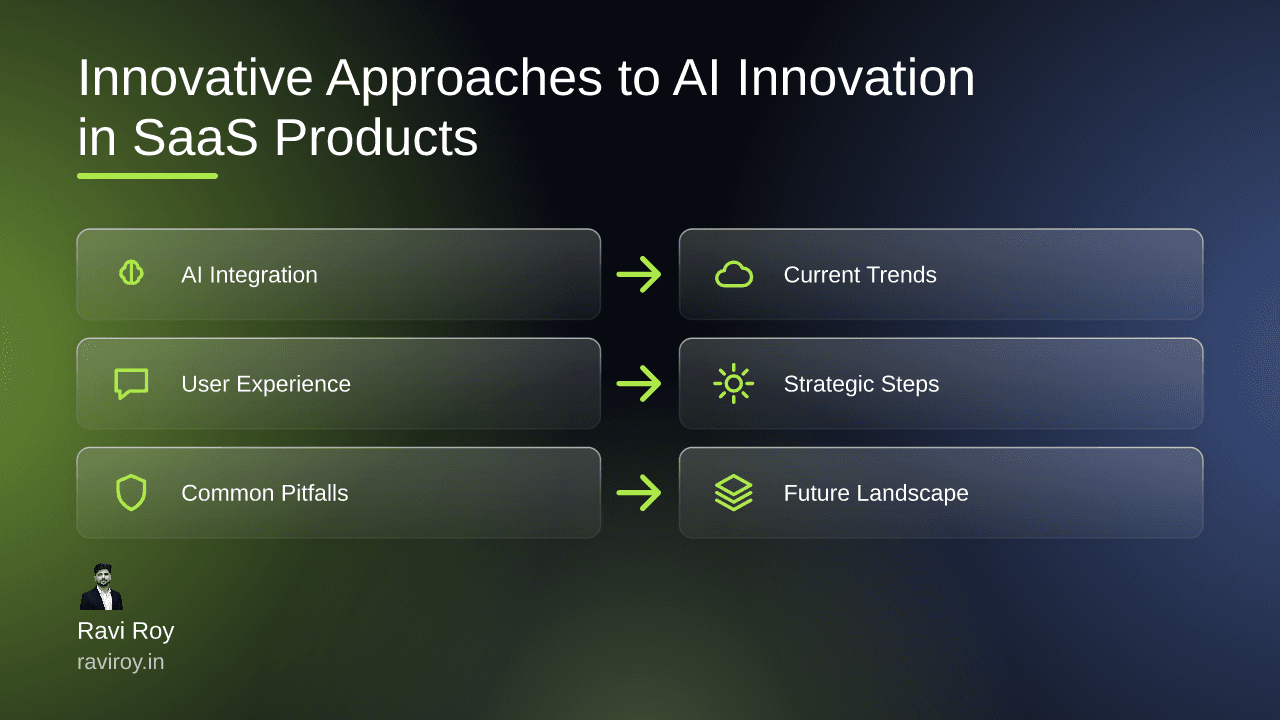
Understanding AI Innovation in SaaS
Defining AI Innovation
AI innovation specifically within SaaS (Software as a Service) refers to the systematic integration of artificial intelligence technologies to improve service delivery and overall product value. This innovation isn’t just about adding AI features; it’s about embedding intelligence into the core functionalities that make SaaS platforms more efficient, informative, and user-friendly. From predictive analytics to automated customer support, AI helps transform how businesses interact with their software, leading to enhanced productivity and unique user experiences.
The Role of AI in SaaS Development
AI-driven features significantly enhance SaaS applications by automating tasks, analyzing complex data sets, and personalizing user experiences. For example, a project management tool that leverages AI can analyze team performance and suggest timelines based on historical data, while customer relationship management (CRM) systems can utilize AI to provide sales predictions based on customer interactions. This shift from traditional software to AI-powered solutions enables businesses to derive insights at an unprecedented scale, optimizing their operations and staying ahead in competitive markets.
Current Trends in AI Innovation for SaaS Products
AI-Native and Embedded AI
The move towards AI-native solutions marks a fundamental shift in the SaaS landscape. These are applications built from the ground up with AI capabilities, as opposed to traditional models that simply add AI features as an afterthought. Startups like OpenAI have set a precedent by creating platforms that are deeply integrated with machine learning models, paving the way for sophisticated interactions and insights that redefine user expectations.
Generative AI for Analytics and Content
Generative AI is revolutionizing analytics and content creation within SaaS applications. By utilizing algorithms that can produce new content based on existing data sets, SaaS products can offer predictive analytics that provides actionable insights. For instance, a marketing automation tool using generative AI can create tailored email content for segmented audiences, increasing engagement and conversion rates. This not only saves time but also allows for a more strategic approach to user engagement.
Strategic Steps for Integrating AI in SaaS
Assessing Data Privacy
Integrating AI into your SaaS offering involves careful consideration of data privacy. Best practices include ensuring compliance with regulations such as GDPR and CCPA, implementing robust encryption methods, and providing transparent user consent mechanisms. Furthermore, companies should conduct regular audits to assess how data is collected, stored, and used in AI models. This plays a crucial role in building trust with customers, enabling them to use your platform without fear of their data being mishandled.
Built-in vs. Bolt-on AI Designs
Choosing between built-in and bolt-on AI designs significantly impacts a SaaS platform's scalability and user experience. Built-in AI embeds machine learning models into the core application, resulting in seamless user interactions and lower latency. In contrast, bolt-on AI features are external modules that may require additional integrations, potentially leading to a disjointed user experience. Companies should evaluate their long-term growth strategies to decide which design aligns better with their vision for innovation.
Enhancing User Experience Through Personalization
Hyper-Personalization Techniques
Hyper-personalization techniques leverage AI to customize user experiences at an individual level. This can include dynamic content recommendations, tailored product listings, and personalized onboarding processes. For example, platforms like Netflix use sophisticated algorithms to suggest content based on user viewing patterns and ratings. Implementing similar strategies can significantly boost user engagement by making users feel understood and valued.
Data-Driven Decision Making
Enhanced data analytics can lead to more informed decision-making for SaaS providers. Using AI to analyze user behavior and feedback helps in refining product features, optimizing marketing strategies, and even improving user interfaces. Tools like Google Analytics and Mixpanel provide insights that can directly affect product development cycles, ensuring that every decision is backed by solid data rather than intuition.
Common Pitfalls in AI Integration
Risk Assessment in AI Adoption
While integrating AI can bring transformative benefits, it’s imperative to identify the associated risks. Potential pitfalls include data bias, ethical concerns, and the complexity of maintaining AI systems. Companies should develop a comprehensive risk assessment framework that includes ongoing monitoring of AI outputs and fostering a culture of accountability among team members responsible for AI deployment.
Cost-Benefit Analysis of AI Features
Conducting a cost-benefit analysis on AI features helps assess their viability within a SaaS product. This involves evaluating the costs related to technology implementation, training, and ongoing maintenance against expected benefits like improved efficiency, increased customer satisfaction, and higher conversion rates. Frameworks such as the Return on Investment (ROI) model can be useful in gauging whether the investment in AI features will yield adequate returns.
The Future Landscape of AI in SaaS
Emergence of Specialized Vertical AI Solutions
The rise of specialized vertical AI solutions tailored for specific industries represents an exciting trend in the SaaS landscape. Businesses will increasingly seek solutions that meet their unique needs, leading to greater innovation. For instance, a healthcare SaaS application might use AI to enhance patient diagnostics, while a fintech platform may employ it for real-time fraud detection. These specialized solutions are not just more functional; they become crucial partners in business strategy.
Democratization of AI with No-Code Tools
No-code tools are democratizing access to AI, allowing non-technical users to develop and integrate AI capabilities into their applications. Platforms like Zapier and Bubble empower users to automate tasks and create features without extensive programming knowledge. This democratization fosters a culture of innovation, enabling businesses of all sizes to explore AI integration without the barrier of high technical expertise.
The landscape of AI innovation is rapidly evolving, offering unprecedented opportunities for SaaS providers willing to adapt and innovate.
What challenges have you faced in integrating AI innovations into your SaaS product, and how did you overcome them?
💬 Join the conversation — share your take in the comments and tell us what you’d add.