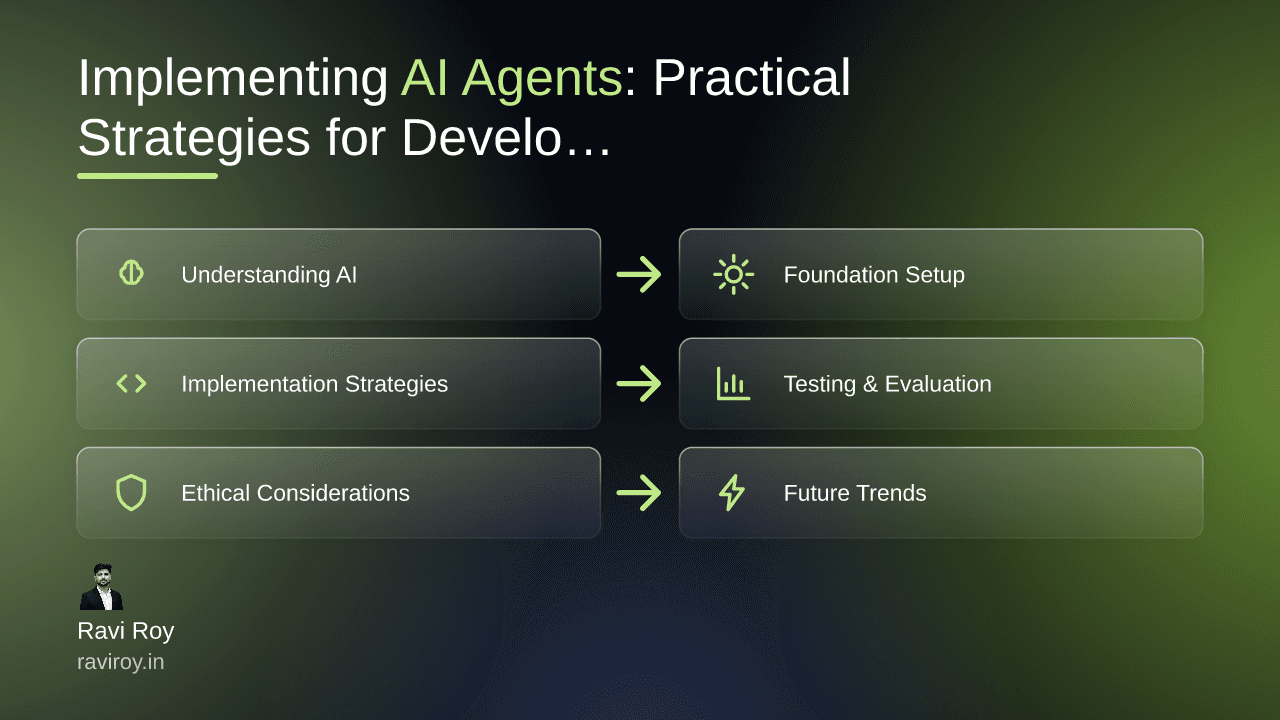
Understanding AI Agents
What are AI Agents?
AI agents are software entities designed to autonomously perform tasks on behalf of users, leveraging algorithms to learn and adapt over time. Their core functionalities include decision-making and problem-solving, allowing them to react to changes in their environment or user commands. These agents can be embedded in various applications, from customer service bots to self-driving cars.
When considering AI agents, key characteristics to note are autonomy, learning capabilities, and responsiveness. Autonomy means they can operate without constant human intervention, which enhances efficiency. Their learning capabilities—often rooted in machine learning—allow them to improve over time based on previous interactions. Responsiveness is critical; the best AI agents must react swiftly to user inputs or environmental changes.
Types of AI Agents
AI agents can be classified into categories based on their operational styles: reactive agents and deliberative agents.
Reactive Agents: These agents respond directly to stimuli from their environment with predefined responses. A common example would be a chatbot programmed to answer FAQs based on the context provided.
Deliberative Agents: Unlike their reactive counterparts, deliberative agents possess internal models of the world. They can make informed decisions after analyzing complex scenarios. For example, an AI used for strategy games often relies on deliberative processing to determine the best moves based on an opponent’s likely actions.
Setting the Foundation for AI Agent Development
Choosing the Right Tools
The first step toward effective AI agent development is selecting the appropriate tools. Below are some popular programming languages and frameworks:
Python: Widely used for its extensive libraries (like TensorFlow and PyTorch), making it an ideal choice for AI development.
JavaScript: Crucial for web-based AI applications; frameworks like TensorFlow.js allow real-time AI integration into web environments.
R: Often utilized for statistical analysis and data visualization, which can be beneficial in training AI models.
Each of these languages offers unique advantages, and the right choice will depend on the project requirements, team skills, and integration needs.
Key Concepts to Understand
Understanding foundational concepts is essential for AI agent development:
Machine Learning: A critical branch of AI that enables agents to learn from data. Familiarize yourself with concepts like supervised and unsupervised learning.
Natural Language Processing (NLP): This enables agents to understand and interact with human language, making it vital for chatbots and voice assistants.
Algorithms: Essential algorithms like reinforcement learning allow agents to learn optimal behaviors through trial and error. This method is particularly useful in dynamic environments.
Practical Strategies for Implementation
Designing AI Agents
Creating user-centered AI agent interfaces involves several steps:
Research User Needs: Conduct surveys or focus groups to understand the target audience's requirements.
Prototype the Interface: Use wireframing tools to visualize how users will interact with the AI.
Implement Feedback Loops: Build iterations based on user feedback to improve functionality and satisfaction continually.
Consider also accessibility guidelines to ensure inclusivity in your designs.
Integrating AI Agents with Existing Systems
Integration into existing systems is often the most challenging aspect. Here’s a checklist to streamline this process:
Assess Compatibility: Ensure that the AI agent can seamlessly interact with existing software.
API Development: Develop robust APIs to facilitate communication between your AI agent and external systems.
Testing: Conduct thorough testing to identify potential issues in integration, ensuring that all components work harmoniously.
Case studies, such as the integration of IBM Watson into healthcare systems, provide excellent examples of how AI agents can transform existing workflows effectively.
Testing and Evaluating AI Agents
Performance Metrics
Evaluating AI agent effectiveness requires the use of specific performance metrics:
Accuracy: Measure how often the agent provides the correct output.
Response Time: Assess how quickly the agent can respond to user interactions.
User Satisfaction: Collect qualitative data through surveys or net promoter scores (NPS).
Regular monitoring of these metrics can help in fine-tuning performance over time.
User Feedback Mechanisms
Gathering user feedback is crucial for iterative improvement. Here are effective methods:
Surveys and Questionnaires: Deploy these tools post-interaction to collect user experiences.
Direct User Interviews: Gain deeper insights into user behavior and preferences.
A/B Testing: Implement A/B tests to compare different agent versions and determine which performs better based on user engagement and satisfaction.
Ethical Considerations in AI Agent Development
Bias and Fairness
Developers must acknowledge the risks associated with bias in AI training data. Bias can lead to unfair treatment of various user demographics, impacting decision-making processes. Strategies include:
Diverse Data Sets: Ensure your training data encompasses a broad range of perspectives and experiences to mitigate bias.
Regular Audits: Conduct audits to evaluate AI decision-making processes, improving methods for identifying and rectifying discriminatory outcomes.
Transparency and Accountability
Creating a transparent AI agent is vital for building user trust. Developers should:
Document Decision Processes: Maintain logs of how decisions are made to allow for easy tracing of actions.
Engagement Workshops: Host workshops or forums to openly discuss the AI agent's capabilities and limitations.
Accountability Mechanisms: Establish clear protocols for addressing errors, ensuring users know whom to contact for support.
Future Trends in AI Agents
Emerging Technologies
The landscape of AI agents is constantly evolving with emerging technologies such as:
Edge Computing: This brings computation closer to data sources, enhancing real-time data processing capabilities.
Federated Learning: A method that allows agents to learn collaboratively across numerous devices while maintaining data privacy.
Understanding these technologies can help developers anticipate shifts in user behavior and preferences.
Predictions for AI Agent Evolution
As user needs evolve, so will AI agents. Future trends may include:
Personalization: Greater emphasis on personalized experiences, as users demand tailored interactions.
Multi-Modal Interfaces: Combining text, voice, and visual inputs will create more adaptable agents.
Greater Collaboration: Enhanced coexistence and collaboration between AI agents and human agents, especially in customer service environments.
With the potential for new applications across diverse industries, the future holds exciting opportunities for AI agents.
Implementing AI agents comes with its own set of challenges and rewards. What challenges have you faced when implementing AI agents, and how did you overcome them?
💬 Join the conversation — share your take in the comments and tell us what you’d add.