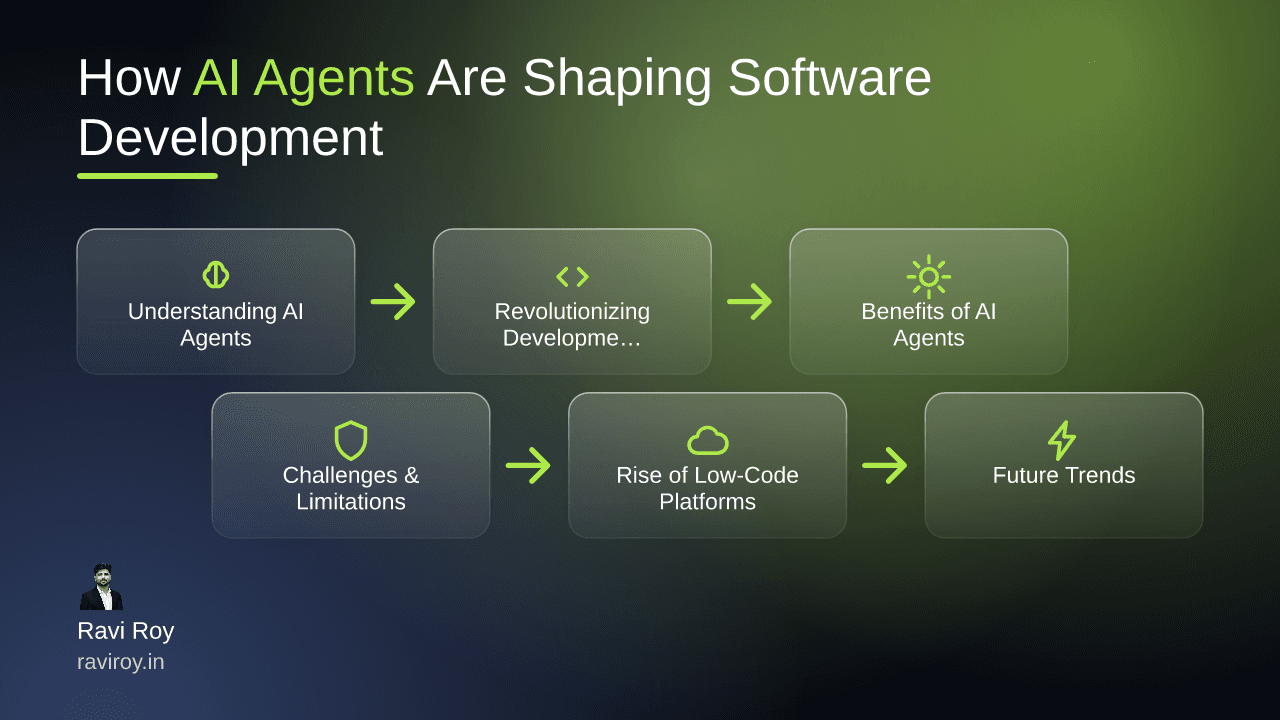
Understanding AI Agents in Software Development
Definition of AI Agents
AI agents have emerged as transformative figures within the landscape of software development. At their core, AI agents are computer programs that utilize artificial intelligence (AI) to automate tasks, assist developers, and enhance the programming process. In essence, they bridge the gap between raw coding ability and intelligent automation, allowing software teams to focus on more complex challenges.
Key Features of AI Agents
These agents boast various key features that set them apart from traditional tools. Automation is arguably the most prominent function; AI agents can take over repetitive tasks—which helps streamline workflows and reduce the likelihood of human error. Machine learning capabilities enable these agents to adapt and improve over time, enhancing their effectiveness as they gather more data. Furthermore, AI agents can be classified into different types, ranging from coding assistants and data analyzers to automated testing tools, each designed to cater to specific aspects of the software development life cycle.
How AI Agents are Revolutionizing Software Development
AI Coding Agents
One of the most notable applications of AI agents is in the realm of coding. AI coding agents, such as OpenAI's Codex and GitHub Copilot, serve as invaluable assistants for developers, providing suggestions, writing snippets of code, or even completing entire functions with minimal input. This boosts coding efficiency, allowing developers to accelerate their projects while maintaining high standards of quality.
Integration with Development Tools
The integration of AI agents with widely used development tools like GitHub and Jira has significantly augmented their functionality. For example, AI-driven project management tools can analyze team workflows and offer insights for optimization. This level of integration has prompted a high adoption rate, with more teams leveraging AI agents to enhance both coding practices and project management strategies. Additionally, a notable shift is occurring as companies move beyond experimentation towards embedding agentic AI into production environments, solidifying AI agents' role in the software development ecosystem.
Benefits of Using AI Agents in Software Development
Increased Efficiency
The automation of repetitive tasks is one of the most tangible benefits delivered by AI agents. By taking on mundane activities—such as code reviews or test case generation—these agents free developers to engage in creative problem-solving and strategic planning.
Cost Savings
Cost savings are another critical advantage. Automating time-consuming processes reduces the number of hours needed for manual effort, ultimately leading to significant financial efficiencies in software projects. Less time spent on routine tasks translates to lower labor costs and faster time-to-market for products and features.
Enhanced Collaboration
AI agents play a crucial role in fostering collaboration among team members. By providing insight into project status and team workloads, these agents promote better communication within teams. For instance, using AI tools for collaborative coding can help mitigate misunderstandings, ensuring that all team members are on the same page.
Challenges and Limitations of AI Agents
Integration with Legacy Systems
Despite their numerous benefits, integrating AI agents with existing software systems can present challenges. Many legacy systems may not have been designed with AI in mind, leading to compatibility issues and inefficiencies.
Ethical Considerations
Ethical implications are also a significant concern. The use of AI in software development raises questions about accountability, data privacy, and bias in decision-making algorithms. It’s vital for companies to weigh these ethical considerations and implement guidelines to ensure responsible AI use.
Monitoring and Observability
Monitoring AI agents poses another challenge, particularly when it comes to maintaining observability in AI-driven pipelines. Ensuring that the outputs of AI agents meet quality standards requires effective monitoring mechanisms and the ability to adjust strategies in real-time.
The Rise of Low-Code Platforms and AI Agents
AI-Native Low-Code Platforms
The advent of AI-native low-code platforms is reshaping app development by making it more accessible. These platforms leverage AI capabilities to simplify complex coding processes, allowing non-developers to create applications with minimal technical knowledge.
Advantages of Low-Code Development
Low-code development democratizes the app development life cycle, enabling broader participation across organizational functions. This means business analysts, marketers, and other professionals can contribute to building applications, facilitating faster innovation cycles and reducing reliance on specialized coding expertise. Furthermore, emerging multimodal AI models are becoming standard in low-code environments, enhancing their effectiveness and user experience.
Future Trends in AI Agents and Software Development
Emerging Trends
Looking ahead, several emerging trends are set to shape the integration of AI agents within software development. Command Line Interface (CLI) agents and conversational interfaces are gaining traction, allowing developers to interact with these systems in more intuitive ways, enhancing usability and adoption rates.
Future Outlook
As AI agents continue to evolve, companies will need to adapt to these changes. Proactive preparation—by investing in training, exploring new integrations, and developing ethical frameworks—will empower organizations to leverage these technologies effectively.
As this landscape continues to shift, those in the software development field must remain agile, ensuring they're equipped to harness the benefits of AI agents fully.
How have you or your team used AI agents in your development process? Share your experiences and insights!
💬 Join the conversation — share your take in the comments and tell us what you’d add.