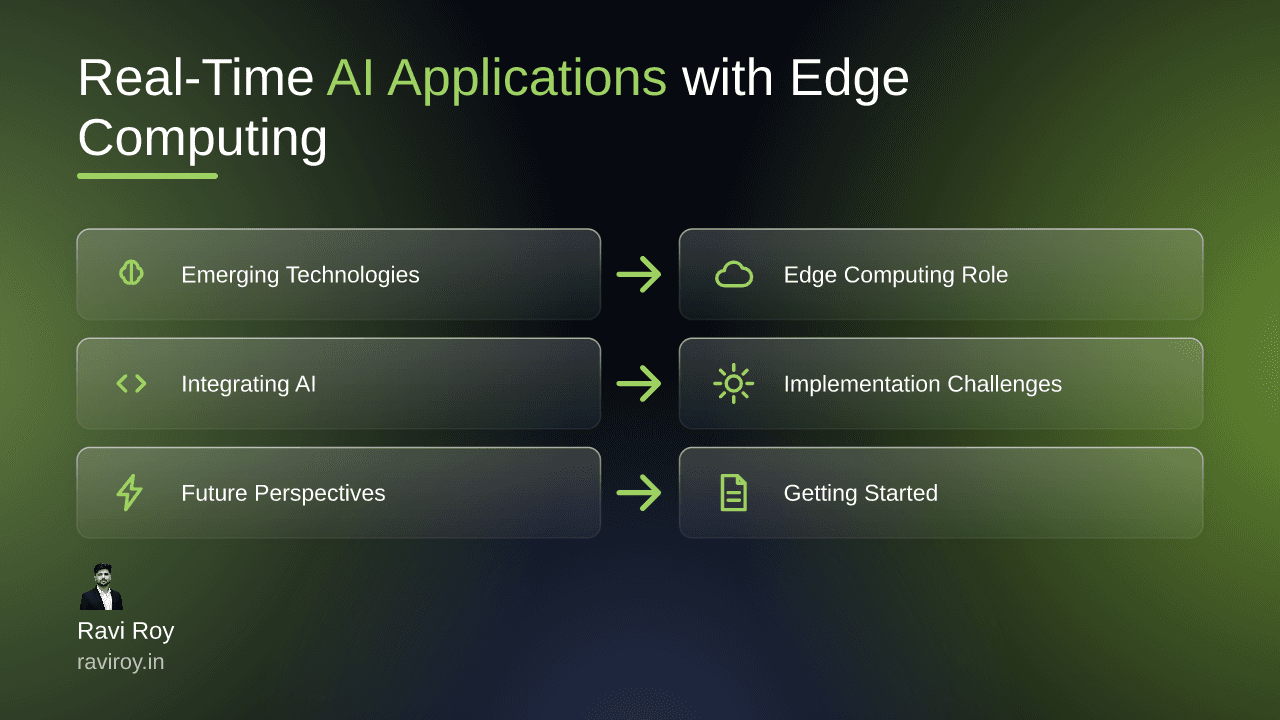
Understanding Emerging Technologies
What Are Emerging Technologies?
Emerging technologies are the driving force behind innovation, allowing industries to adapt and improve their operations significantly. These technologies, which include artificial intelligence (AI), the Internet of Things (IoT), and blockchain, are redefining how businesses connect with customers and manage data. By harnessing their power, organizations can optimize processes, enhance efficiency, and unlock new revenue streams.
Current Trends in Emerging Technologies
The pace of technological advancement is accelerating, showcasing trends like AI-driven automation, IoT integration in smart homes, and blockchain applications in supply chain management. As industries recognize the transformative potential of these technologies, adoption rates are soaring. For instance, according to recent studies, over 75% of organizations are expected to adopt AI tools by 2025, reflecting an eagerness to embrace change and innovation.
The Role of Edge Computing in AI Applications
What Is Edge Computing?
Edge computing is a decentralized computing paradigm that brings data processing closer to the source of data generation, or “the edge,” rather than relying on centralized cloud servers. This setup comprises devices like IoT sensors and gateways, which can analyze data in real time, drastically reducing latency and bandwidth usage. As a result, edge computing enhances the responsiveness and efficiency of AI applications, making it a vital component in the technological landscape.
Advantages of Edge Computing for AI
One of the primary benefits of edge computing for AI applications is its ability to reduce latency, enabling real-time data processing. In scenarios where speed is crucial—such as healthcare monitoring systems—this reduction in latency translates to immediate insights and faster decision-making. Additionally, by processing data at the edge, organizations can alleviate bandwidth constraints, cutting costs associated with data transmission. Use cases in healthcare, such as remote patient monitoring, illustrate how edge computing can provide critical information swiftly, improving outcomes.
Integrating Real-Time AI with Edge Computing
Case Study: Smart Cities
Smart cities are at the forefront of utilizing real-time AI and edge computing to enhance infrastructure management. By deploying AI algorithms to analyze data from traffic sensors and cameras, smart cities can optimize traffic flows and reduce congestion. For instance, Barcelona implemented an AI-driven traffic management system, resulting in a 30% reduction in travel time. This integration of edge computing allows city planners to make data-driven decisions that improve quality of life for residents.
Use Case: Autonomous Vehicles
Autonomous vehicles leverage edge computing to process data from sensors and cameras in real-time, facilitating instantaneous decision-making. For example, Waymo, a leader in self-driving technology, uses edge computing to decrease latency in obstacle detection, improving overall safety. Metrics show that vehicles utilizing edge computing can react over 50% faster to dynamic road conditions compared to those reliant on cloud-based systems, showcasing a significant performance improvement.
Challenges in Implementing Edge Computing for AI
Technical Challenges
While the promises of edge computing are appealing, organizations face technical challenges, such as integration complexity and network reliability. Ensuring that devices communicate seamlessly can be a daunting task, often requiring robust network infrastructure. Additionally, managing updates and securing diverse devices presents hurdles that necessitate careful planning and execution.
Regulatory and Security Considerations
Regulatory issues and security concerns are paramount when deploying edge computing solutions for AI. Data protection regulations like GDPR mandate strict compliance, compelling organizations to develop strategies that prioritize data security. Employing encryption protocols and secure access measures can mitigate these risks, ensuring that sensitive information remains protected throughout the data lifecycle.
Future Perspectives on AI and Edge Computing
Emerging Trends to Watch
The integration of AI and edge computing is anticipated to evolve rapidly in the coming years. Trends such as federated learning—where models are trained across decentralized devices—will likely gain traction. This approach allows for enhanced model accuracy while preserving data privacy, making it a compelling alternative for industries handling sensitive information.
Predictions for the Next 5 Years
As the synergy between AI and edge computing matures, we can expect significant advancements in real-time analytics and machine learning capabilities. Experts predict that by 2028, over half of all data will be processed at the edge. Organizations can prepare by investing in flexible infrastructure and training talent capable of navigating this dynamic landscape.
Getting Started with Edge Computing for AI
Essential Tools and Platforms
Getting started with edge computing for AI requires leveraging the right tools. Platforms such as AWS IoT Greengrass, Google Cloud IoT, and Azure IoT Edge provide robust ecosystems for developing and managing edge applications seamlessly. Additionally, open-source frameworks like Apache NiFi facilitate data flow and integration.
Steps to Implement Your First AI Project
Define Objectives: Clearly outline what you want to achieve with your AI project.
Choose the Right Platform: Select a suitable edge computing platform that meets your project's needs.
Develop Your Model: Create an AI model using tools like TensorFlow or PyTorch.
Deploy at the Edge: Load the model onto your chosen edge device for real-time processing.
Monitor Performance: Utilize analytics to track performance metrics and optimize where necessary.
For continuous learning, consider exploring resources such as online courses or forums focused on AI and edge computing.
What specific challenges have you faced while integrating real-time AI with edge computing in your projects?
💬 Join the conversation — share your take in the comments and tell us what you’d add.