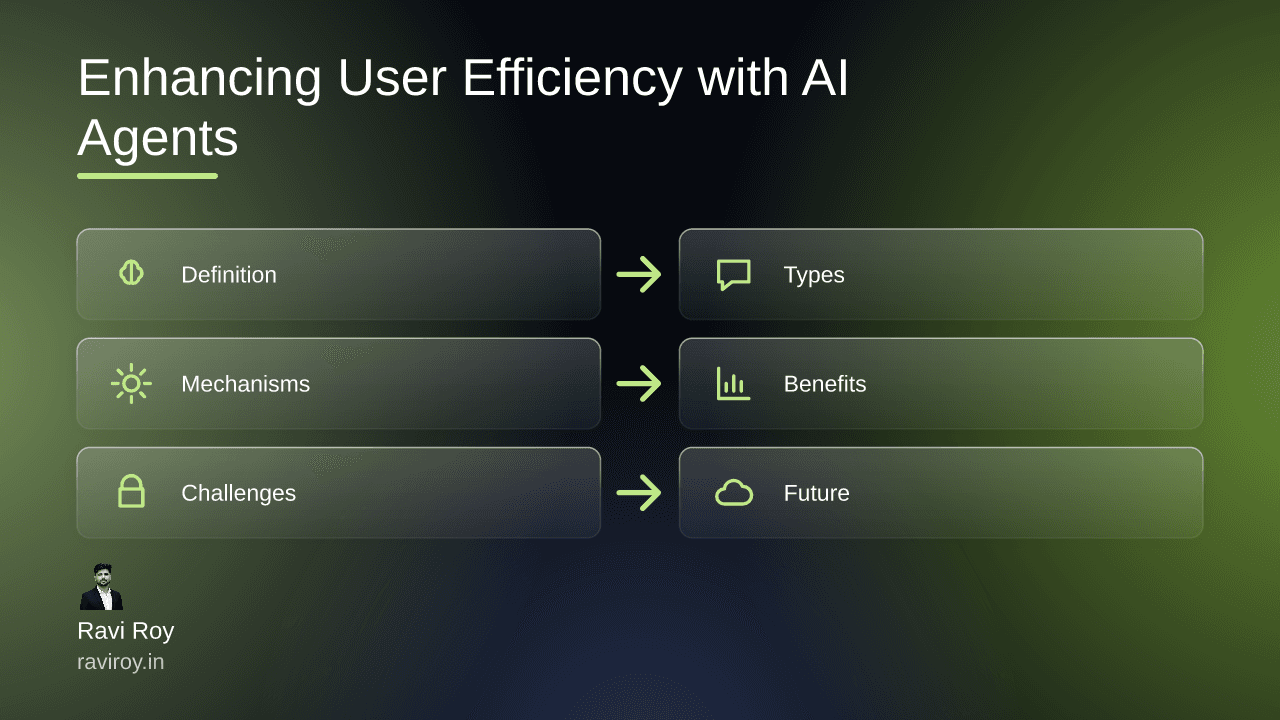
What Are AI Agents in Software Development?
When it comes to streamlining software development, AI agents are reshaping how developers approach their tasks. These sophisticated software programs autonomously complete various functions, from writing code to managing project timelines. As companies race to enhance their development processes, understanding what AI agents are and the types available is crucial.
Defining AI Agents
AI agents in software development are intelligent software systems designed to perform tasks without human interference. They leverage artificial intelligence to understand and execute a wide range of operations, improving development speed and accuracy. From automating mundane coding tasks to analyzing project data, these agents serve as an extension of human capabilities, effortlessly blending into existing workflows.
Types of AI Agents
Several types of AI agents cater specifically to the software development landscape:
Chatbots: These agents can assist developers by answering queries, offering documentation support, and facilitating real-time communication.
Code Assistants: Tools like GitHub Copilot provide suggestions for code completion and even generate entire code blocks, enabling faster and more efficient coding.
Process Automation Agents: These agents are designed to handle repetitive tasks like bug tracking and code reviews, allowing developers to concentrate on higher-level problem-solving.
How AI Agents Work
The effectiveness of AI agents isn't just magical; it's rooted in powerful mechanisms and integration strategies.
Mechanisms Behind AI Agents
AI agents employ machine learning algorithms to learn from vast datasets. By analyzing patterns in data, they evolve and adapt over time, becoming more effective at predicting developers' needs and preferences. This learning mechanism not only enhances their performance but also empowers them to make informed suggestions—whether that's optimizing code or identifying potential issues before they escalate.
Integration with Development Tools
AI agents are most impactful when they seamlessly integrate with development tools such as Integrated Development Environments (IDEs) and version control systems. This integration ensures that they can offer real-time assistance, automate repetitive tasks, and streamline workflows without interrupting the developer's focus. For instance, a well-integrated code assistant can analyze your code as you write, instantly suggesting improvements, enhancing efficiency, and reducing the likelihood of errors.
Benefits of Using AI Agents in Software Development
Implementing AI agents in your software development processes brings a multitude of benefits, making them an attractive investment for teams looking to optimize operations.
Increased Coding Efficiency
AI agents excel at automating repetitive tasks. For example, instead of spending valuable hours on boilerplate code or simple bug fixes, developers can focus on more complex and creative aspects of their projects. Utilizing AI agents can lead to significant time savings, enabling teams to deliver projects faster and meet tighter deadlines. According to a recent study, teams that adopted AI-assisted development reported a surge in productivity—allowing them to complete projects in nearly half the time compared to traditional methods (source).
Quality of Code
Quality assurance is a critical aspect of software development, and AI agents can significantly enhance code quality. By suggesting timely corrections and optimizations, AI agents help developers refine their work as they code. Hence, the number of bugs and future complications can be dramatically reduced, leading to a cleaner codebase and a more stable end product.
Enhancing Developer Productivity with AI Agents
The transformative power of AI agents isn't just theoretical; real-world applications and case studies provide compelling evidence of their benefits.
Real-World Applications
Many organizations are actively leveraging AI agents to tackle issues like bug fixes and the implementation of new features. For example, companies like Microsoft and Google have begun integrating AI tools into their development pipelines, allowing teams to automate routine tasks and focus on creative problem-solving. This shift not only improves product outputs but also boosts team morale by reducing burnout.
Case Studies
Several case studies highlight measurable improvements in delivery times and team dynamics. For instance, a software development firm that adopted AI agents reported a 30% reduction in the time taken for code reviews. As developers spent less time mired in repetitive tasks, the team enjoyed elevated morale and an even greater commitment to producing high-quality work.
Challenges in Implementing AI Agents
While the benefits are impressive, integrating AI agents into existing workflows isn't without its challenges.
Technical Limitations
Compatibility issues frequently arise when trying to implement AI agents, particularly with legacy systems. Ensuring that new technologies can work in harmony with older systems can be cumbersome, and companies may require additional resources to facilitate a smooth transition. It's essential to conduct thorough assessments of existing infrastructures to prepare for the integration of AI-driven tools.
Ethical Concerns
There are ethical considerations to weigh when deploying AI agents as well. Issues such as algorithmic bias can lead to unintended consequences, affecting the quality of outputs. Additionally, concerns around data security and privacy must be addressed to ensure the responsible use of AI technology in software development.
Building Your Own AI Agent
If your organization is ready to dive into the world of AI agents, getting started may be simpler than you think.
Coding an AI Agent
Creating a basic AI agent can be a rewarding experience. Here’s a step-by-step guide to building one using Python—a language widely recognized for its robust libraries and frameworks conducive to AI development:
Set Up Environment: Ensure you have Python installed on your system along with libraries like TensorFlow or PyTorch.
Data Collection: Gather data relevant to the tasks you want your AI agent to perform. This dataset will be crucial for training your agent.
Model Development: Use machine learning algorithms to train your agent. For example, you could implement a neural network that learns to identify patterns in datasets.
Integration: Tie your AI agent into your existing development environment. Use APIs to ensure it can access necessary resources and tools.
Frameworks to Use
Various frameworks can assist you in building AI agents, including:
TensorFlow: Ideal for deep learning models.
Flask: For creating APIs to interact with your agent.
scikit-learn: Useful for simpler machine learning tasks.
Selecting the right tools and technologies is critical to your agent’s success. Choose frameworks that align with your technical expertise and the specific tasks your agent will handle.
The Future of AI Agents in Software Development
Looking ahead, the role of AI agents in software development is set to expand dramatically.
Emerging Trends
The collaboration between AI agents and developers will likely become a standard practice. As AI technology advances, you can expect more nuanced interactions where agents not only assist but also provide educational guidance to developers. This evolving relationship will redefine the skill sets required in tech roles.
Predictions for 2025
By 2025, we can anticipate breakthroughs in natural language processing (NLP) and automated processes. These advancements will enable AI agents to better understand developer intent and improve their suggestions, all while reducing the manual input needed from users.
What specific tasks do you think AI agents will handle best in your development processes?
💬 Join the conversation — share your take in the comments and tell us what you’d add.