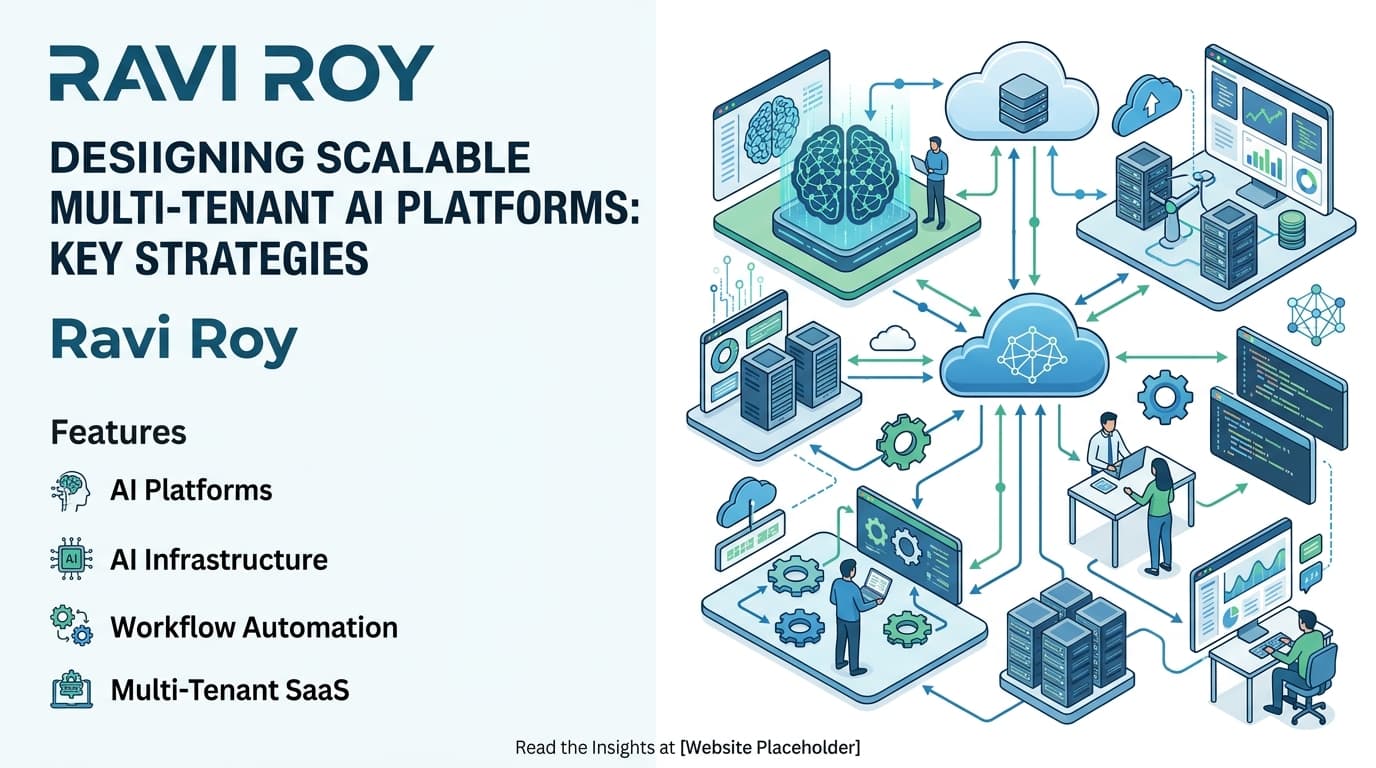
Designing Scalable Multi-Tenant AI Platforms: Key Strategies
In a tech landscape bursting with innovation, multi-tenant AI platforms stand out as beacons of efficiency and scalability. By leveraging this architecture, businesses can streamline operations and enhance the user experience like never before.
Understanding Multi-Tenant AI Platforms
Definition of Multi-Tenant AI Platforms
Multi-tenant AI platforms allow multiple customers or tenants to share the same application while keeping their data isolated. This architecture is perfect for service providers who aim to improve resource utilization, reduce costs, and deliver high-quality AI services to diverse audiences. By ensuring each tenant operates in a secure, segregated environment, organizations can provide tailored AI solutions that cater to varying business needs.
Importance of Tenant Isolation
Tenant isolation plays a crucial role in maintaining data security within multi-tenant systems. Each tenant’s data is stored separately, reducing the risk of unauthorized access or data breaches. Effective isolation measures not only strengthen security but also foster trust among users. Tenants know their sensitive information is safeguarded, enabling them to leverage AI technologies without fear. Additionally, a well-implemented isolation strategy enhances performance and ensures that one tenant's heavy use of resources doesn't negatively impact another's operations.
Key Strategies for Building Multi-Tenant AI Platforms
Stronger Tenant Isolation Mechanisms
Developing effective tenant isolation mechanisms is pivotal. Utilizing containerization technologies, such as Docker, can enhance isolation levels by creating lightweight, portable environments for each tenant. Furthermore, implementing microservices architecture facilitates better resource management and enhances security because each service can be independently scaled and managed. Another effective strategy is to employ role-based access control (RBAC) to ensure that users only access resources pertinent to their needs.
Cloud-Native Infrastructure with Kubernetes
A cloud-native infrastructure powered by Kubernetes allows organizations to design scalable multi-tenant AI platforms efficiently. Kubernetes automates the deployment, scaling, and management of containerized applications, making it easier to handle complex multi-tenant architectures. By leveraging Kubernetes, companies can ensure optimal resource allocation and resilience, handling varying loads without sacrificing performance. Moreover, the ability to roll out updates seamlessly minimizes downtime and enhances the user experience.
AI-Driven Resource Management
Integrating AI into resource management can revolutionize how multi-tenant AI platforms operate. AI-driven orchestration tools can analyze usage patterns and dynamically allocate resources based on predicted demand. This optimization results in better performance and cost efficiency, ensuring that resources are utilized effectively across tenants. Implementing such smart resource management strategies allows organizations to not only meet their performance goals but also reduce operational costs.
Cost Management in Multi-Tenant AI Environments
Cost-Aware Inference Optimization Techniques
Optimizing inference costs in a multi-tenant AI environment is vital for maintaining profitability. Employing techniques such as model quantization or pruning can significantly reduce computational requirements during inference, lowering costs. Moreover, implementing on-demand resource allocation helps in scaling resources only when necessary, further optimizing operational expenses. Regularly analyzing the cost-performance ratio of AI models can also inform better resource allocation decisions.
Security Measures for Cost Control
While many security measures can increase costs, prioritizing those that also contribute to cost control can create a balanced approach. For instance, investing in intrusion detection systems not only protects against breaches but also reduces potential financial losses due to downtimes or data theft. Regular audits and compliance checks can also catch inefficiencies and vulnerabilities early, allowing for timely adjustments that save money in the long run.
Tenant-Aware Governance and Auditing
Importance of Governance in Multi-Tenant Environments
Robust governance is essential for the success of multi-tenant AI platforms. It ensures that policies are in place to manage data privacy, security, and compliance effectively. Governance frameworks help in establishing clear roles and responsibilities within the organization, reducing the risk of disputes among tenants. Furthermore, proper governance fosters trust and transparency, essential for a thriving multi-tenant ecosystem.
Auditing Practices for AI Platforms
Effective auditing practices provide oversight and accountability in multi-tenant environments. Regular audits should focus on reviewing access logs, data handling practices, and compliance with regulations. Employing automated auditing tools can streamline the process and offer real-time insights, ensuring adherence to established governance frameworks. Best practices also include setting audit cycles that align with business needs while being adaptable to emerging regulations and technologies.
Comparative Analysis: Shared vs. Dedicated Models
Benefits of Shared Models
Shared models in multi-tenant AI platforms enable organizations to achieve economies of scale. By pooling resources, companies can significantly reduce costs associated with infrastructure and maintenance. These models also promote innovation, as shared data can lead to improved AI models and insights across different tenants. Moreover, the agility afforded by shared models allows for quicker updates and deployments, enhancing overall responsiveness to market demands.
Advantages of Dedicated Models
On the flip side, dedicated models might be preferable in scenarios that require enhanced security or specific compliance standards. Industries such as finance and healthcare may mandate stronger data segregation, making dedicated systems a better fit. Even though these models may come with higher operational costs, they provide tailored solutions that fulfill stringent regulatory requirements, ensuring that companies can maintain their reputation with stakeholders.
Real-World Implementations and Case Studies
Successful Case Studies
Examining successful case studies reveals the tangible benefits of well-designed multi-tenant AI platforms. For instance, a leading SaaS provider successfully implemented a multi-tenant architecture that allowed faster deployments and improved user satisfaction. With features tailored to diverse client needs, they achieved a 30% reduction in operational costs while maintaining high-performance levels.
Lessons Learned from Failures
Not all attempts at implementing multi-tenant AI platforms have met with success. Common pitfalls include inadequate tenant isolation, leading to security breaches, and poor governance frameworks that resulted in compliance failures. Learning from these failures emphasizes the importance of robust planning, diligent testing, and ongoing evaluation in multi-tenant platform design, ensuring future implementations are built on a bedrock of knowledge and adaptability.
Ready to implement scalable multi-tenant AI solutions? Contact us for expert guidance.