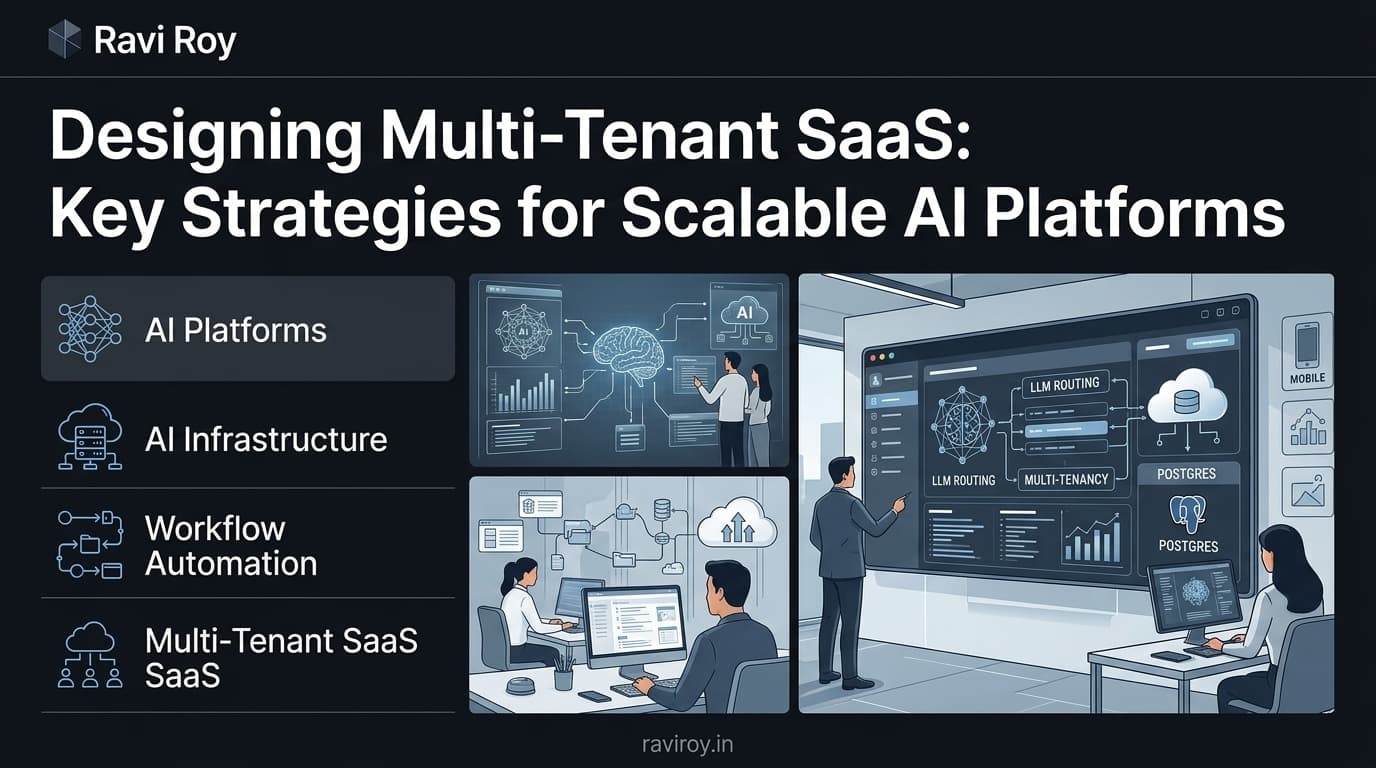
Designing Multi-Tenant SaaS: Key Strategies for Scalable AI Platforms
Multi-tenant SaaS platforms are transforming how we approach software solutions, especially in the realm of artificial intelligence (AI). The ability to serve multiple tenants using a single software instance not only drives efficiency but also fuels innovation in scalable AI systems. In an era where organizations seek cost-effective and efficient technology solutions, understanding how to design such platforms is more important than ever.
Understanding Multi-Tenant SaaS Overview
What is Multi-Tenant SaaS?
Multi-tenant Software as a Service (SaaS) architecture is a single-instance platform that serves multiple clients—referred to as tenants—where each tenant's data is securely separated from that of others. This provides a scalable route for deploying AI applications, allowing organizations to leverage shared resources efficiently. With cloud resources optimized for AI workloads, companies can deploy and manage their applications without the overhead costs associated with dedicated server instances.
Key Benefits of Multi-Tenant Architectures
Multi-tenant architectures bring several advantages to the table:
Cost-Effectiveness: By pooling resources, companies can significantly cut down infrastructure costs. This shared model allows for economies of scale and contributes to robust operational budgeting.
Improved Scalability: As the demands for AI workloads increase, the ability to dynamically allocate resources is essential. Multi-tenant systems can easily scale up or down, accommodating workload fluctuations while maintaining performance integrity.
Key Considerations in Designing Multi-Tenant SaaS
Creating a robust multi-tenant SaaS solution requires careful planning and consideration of a few critical aspects.
Tenant Isolation Models
One of the foremost challenges in multi-tenant SaaS solutions is ensuring tenant isolation. Strong isolation models are crucial for data security, preventing unauthorized access and ensuring compliance with data regulations. Techniques like logical partitioning and encryption not only secure tenant data but also add layers of trust in the system's integrity.
User Configurability and Self-Service
In an age where users demand control over their software experiences, enabling configurability is key. A self-service model allows tenants to customize features according to their requirements without overburdening the system administrators. This empowerment enhances the user experience and streamlines service delivery.
Usage-Based and Tiered Pricing
To effectively manage costs while accommodating diverse needs, implementing a usage-based pricing model can be beneficial. Coupled with tiered pricing structures, this approach ensures that tenants pay for only what they consume, leading to higher satisfaction rates and optimized revenue streams.
Scalability Challenges and Solutions
Achieving scalability is not without its challenges in multi-tenant SaaS environments.
Achieving Scalability in Multi-Tenant SaaS
Common scalability issues may arise as workloads increase or user bases expand. Performance bottlenecks can occur if resources are not managed efficiently or if architecture is not designed for scalability from the outset. Employing AI-aware resource management strategies—like predictive scaling—can mitigate these challenges, ensuring the platform can adapt in real-time to user needs.
Operationalization via MLOps and GenAIOps
The integration of MLOps (Machine Learning Operations) into multi-tenant SaaS platforms greatly enhances operational efficiency. By automating routine processes and introducing best practices, MLOps allows for streamlined model deployment and monitoring. This creates a more agile environment, enabling quick adaptations based on user feedback and data analysis.
Security Measures for Multi-Tenant SaaS
When designing multi-tenant SaaS architectures, security is paramount.
Essential Security Frameworks
A comprehensive security framework must encompass data encryption, access controls, and continuous monitoring. Utilizing role-based access ensures that only authorized personnel have the ability to view or manipulate specific tenant data.
Compliance and Regional Considerations
Given the varying data regulations across different regions, companies need to be adept at implementing compliance measures relevant to their operational territories. Adhering to guidelines—such as GDPR in Europe or CCPA in California—ensures not only legal safety but also builds trust with customers.
Real-World Case Studies
Case studies provide insights into effective multi-tenant SaaS implementations that embrace scalability and performance.
Examples of Successful Multi-Tenant Architectures
Consider the likes of Salesforce and HubSpot, both successfully employing multi-tenant architectures to deliver efficient, high-performing solutions to a wide array of customers. By optimizing shared resources and fine-tuning user experience, they continue to set benchmarks in the SaaS industry.
Lessons from AI-Native Platforms
Platforms such as Databricks illustrate the benefits of integrating AI capabilities into multi-tenant systems. Successful applications not only improved operational efficiencies but also provided crucial lessons on leveraging data analytics for enhanced tenant service delivery.
Future Trends in Multi-Tenant SaaS
As technology evolves, so do multi-tenant SaaS solutions.
Emerging Technologies
The future sees a trend toward smarter shared infrastructures equipped with advanced control mechanisms. Innovations in AI and machine learning continue to reshape how resources are allocated and managed in real-time.
The Role of AI in Multi-Tenant Solutions
AI integration is expected to evolve further, enhancing tenant-specific model handling and fostering more personalized user experiences. This will support not just scalability but also the overall effectiveness of multi-tenant SaaS architectures.
Ready to implement a scalable multi-tenant SaaS solution? Start building today!