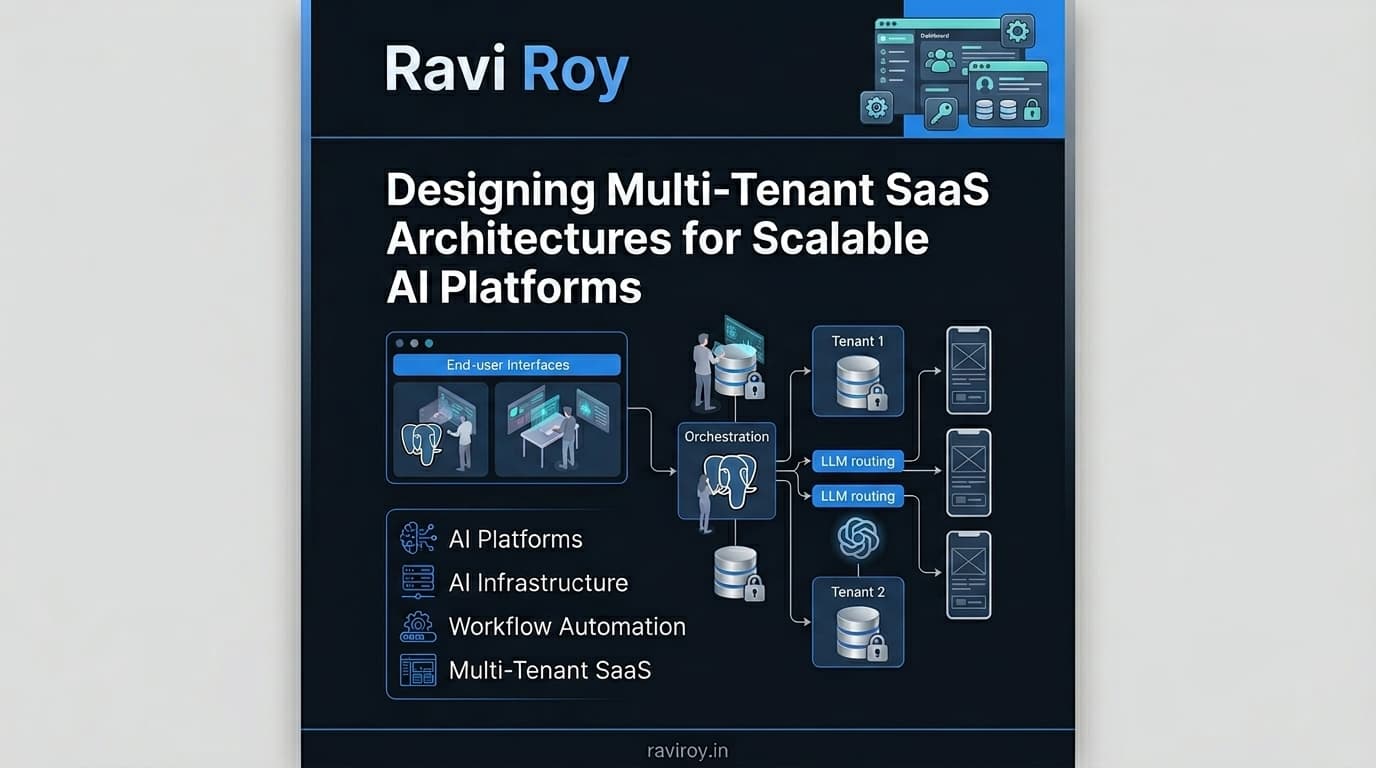
Understanding Multi-Tenant SaaS Architecture in AI
The demand for scalable AI solutions is revolutionizing the way we perceive software architecture. Multi-tenant SaaS architecture emerges as a crucial framework that not only accommodates diverse workloads but also optimizes resource usage and cost.
What is Multi-Tenant SaaS Architecture?
Multi-tenant SaaS architecture allows a single instance of software to serve multiple tenants, or customers, simultaneously. Each tenant's data remains isolated within a shared infrastructure, yet they can all leverage the same application features. Central to this model are several key components: a shared database, a modular application architecture, and robust security mechanisms.
By enabling resource sharing, multi-tenancy reduces the overhead associated with maintaining separate instances for every tenant, leading to significant cost savings and enhanced scalability. Its ability to adapt to fluctuating demands makes it ideal for AI workloads, which often require high computational power and dynamic resource allocation.
Key Advantages of Multi-Tenant Architectures for AI
The advantages of multi-tenant architectures are particularly potent in AI contexts. Firstly, scalability becomes inherently integrated — as new tenants onboard, resources can be dynamically allocated to meet their needs without introducing inefficiencies. Cost-effectiveness is another major advantage; shared resources lower overall expenses, allowing companies to pass savings onto their customers. Importantly, this model fosters both resource sharing and isolation, ensuring that while tenants benefit from a common platform, their data and operations are kept secure and distinct.
Integrating AI Workloads into Multi-Tenant SaaS Platforms
Successfully integrating AI workloads into multi-tenant SaaS platforms hinges on understanding their compatibility and addressing potential challenges.
Compatibility of AI Workloads
AI workloads are unique in their requirements—they can range from heavy computational tasks to light, periodic queries. Within a multi-tenant framework, these workloads can fit seamlessly when structured properly. Efficient resource allocation is essential, requiring workload-aware management tools that monitor consumption patterns and dynamically adjust resource distribution.
Challenges of AI Workloads in Multi-Tenant Environments
However, integrating AI into a multi-tenant architecture is not without its challenges. Bottlenecks can arise from resource contention when multiple tenants demand high computational power simultaneously. Moreover, inconsistencies in workload performance can lead to significant disruptions, necessitating sophisticated priority management and resource balancing strategies. Ensuring that all tenants receive fair access while maintaining high performance levels is crucial for the stability of the platform.
Best Practices for Tenant Isolation in Multi-Tenant SaaS
A well-designed multi-tenant architecture must prioritize tenant isolation to achieve optimal performance and security.
Logical Segmentation Strategies
Stronger tenant isolation techniques, such as logical segmentation, play a pivotal role in this design. By employing advanced partitioning methods, like database sharding or using distinct schemas, each tenant can operate independently while still leveraging the shared infrastructure. This segmentation not only enhances performance but simplifies compliance with varying data privacy regulations.
Impact of Tenant Isolation on AI Performance
The implications of tenant isolation extend to AI performance. When data is securely segmented, it enhances privacy and protects proprietary algorithms. Furthermore, isolation can lead to better tuning of AI models as specific tenant data can be used for training without confounding influences from other tenants' data. In turn, this specialization boosts overall model efficiency and accuracy.
Scaling Multi-Tenant SaaS Platforms with Kubernetes
Kubernetes introduces an essential paradigm for scaling multi-tenant SaaS platforms, particularly in handling dynamic workloads typical of AI applications.
Cloud-Native Horizontal Scaling
Kubernetes enables cloud-native horizontal scaling, allowing for seamless expansion as demand increases. This architecture supports deploying multiple instances and dynamically reallocating resources based on real-time needs, ensuring minimal latency and optimal performance.
Container Orchestration Techniques
Furthermore, container orchestration is invaluable for successful scaling. Kubernetes manages the deployment, scaling, and operations of application containers across clusters of hosts, ensuring that AI workloads maintain performance regardless of the number of concurrent users. Numerous organizations have successfully leveraged Kubernetes, citing significant reductions in deployment time and improved reliability for AI-driven applications.
MLOps and GenAIOps Integration for Enhanced Performance
The integration of MLOps and GenAIOps practices can unlock substantial efficiencies in multi-tenant environments.
Operationalizing AI in Multi-Tenant Environments
MLOps, or Machine Learning Operations, focuses on operationalizing AI in a multi-tenant context to ensure streamlined model deployment, monitoring, and maintenance. This methodology is crucial for maximizing the benefits of shared resources while adapting to unique tenant needs.
Challenges in Adopting MLOps
However, adopting MLOps within a multi-tenant architecture can be fraught with challenges. Data governance becomes more complex, requiring meticulous planning to avoid issues like data leakage. Moreover, aligning the continuous deployment of AI models with diverse tenant requirements can introduce unforeseen complications. It’s vital to establish clear protocols and best practices to navigate these intricacies.
Cost Optimization Strategies for AI-Specific Multi-Tenant Architectures
Cost management remains a critical concern for businesses operating AI workloads in multi-tenant environments.
AI Workloads Cost Management
Running AI workloads can be resource-intensive, impacting overall operating costs. By utilizing data analytics to monitor resource consumption and optimize usage patterns, organizations can manage expenses while enhancing performance. This approach allows for informed decisions on resource allocation, reducing wastage and enhancing profitability.
Flexible Deployment Models
Examining flexible deployment options is also essential. The option to deploy in hybrid cloud environments or leveraging a serverless architecture can lead to significant cost efficiencies and improved scalability. Case studies of successful companies illustrate how these models have facilitated effective cost optimization and increased operational agility.
Embracing a well-structured multi-tenant SaaS architecture is not just about sharing resources; it is about intelligently balancing tenant needs while harnessing the full potential of AI.
Are you ready to explore more? Dive deeper into our resources for actionable insights on designing AI-ready multi-tenant frameworks.