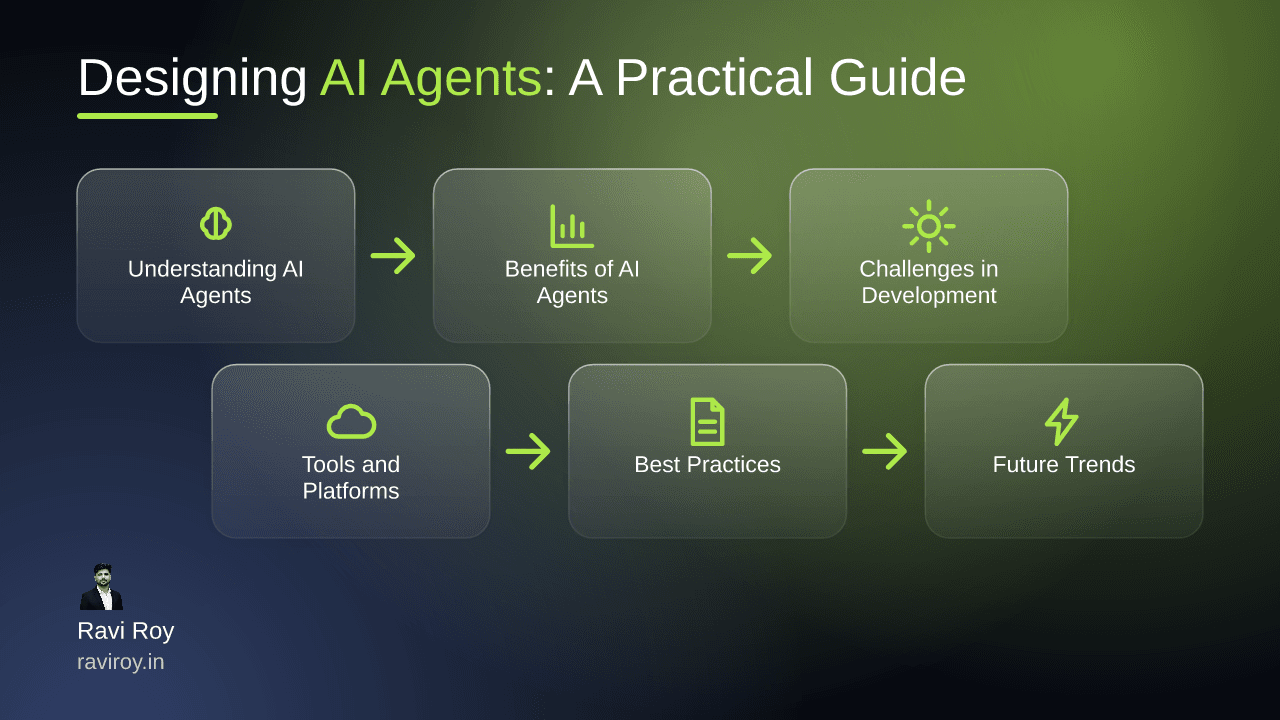
Understanding AI Agents in Mobile App Development
AI agents are redefining the landscape of mobile app development, making applications smarter and more user-friendly. But what exactly are these AI agents, and why should you consider integrating them into your mobile apps?
What are AI Agents?
At their core, AI agents are software entities designed to perform tasks autonomously, leveraging machine learning algorithms and large datasets. They analyze user behavior and preferences, enabling dynamic interaction and personalized experiences. Functionally, AI agents play a pivotal role in automating processes, enhancing user engagement, and providing insights into user interactions (source).
Why Use AI Agents in Mobile Apps?
The rise of AI in mobile development is quantifiable. As per recent statistics, mobile applications incorporating AI functionalities see a user engagement increase of up to 40%. With users demanding more tailored experiences, integrating AI agents is no longer just an option; it’s a necessity. They can streamline functionality and drastically enhance how users interact with apps, making the search for information quicker and more intuitive.
Benefits of Integrating AI Agents in Mobile Applications
Enhanced User Experiences
Hyper-personalization in AI-driven apps is one of the most compelling reasons to adopt AI agents. Applications can analyze user data, enabling them to recommend products, customize notifications, and adjust interfaces based on personal preferences. For example, Netflix and Spotify utilize AI algorithms to tailor content recommendations, leading to increased user satisfaction and retention.
Automation and Efficiency
AI not only improves user experiences but also promotes operational efficiency. Consider task management apps like Todoist, which uses AI to analyze user habits and suggest optimal task prioritization. This automation translates into significant time savings for users and boosts overall productivity. Additionally, tools employing predictive analytics can anticipate future trends or user actions, fostering proactive engagement. As a result, businesses see better operational efficiency and improved user retention rates.
Challenges in AI Agent Development
Technical Challenges
While the benefits are robust, integrating AI into mobile apps isn’t without its technical hurdles. Data processing and real-time performance present common challenges. Developers must ensure that their AI systems can handle large volumes of data efficiently without lag. For instance, image recognition features can consume substantial processing power, which might hinder app responsiveness on lower-end devices.
User Acceptance Issues
Equally important is navigating user acceptance. A transparent approach regarding AI functionalities is essential. Users should have clarity on how their data is being used, requiring consent mechanisms that foster trust. Moreover, balancing AI performance with device limitations necessitates careful optimization to maintain a seamless user experience without draining resources.
Tools and Platforms for Developing AI Agents
Popular AI Frameworks
To facilitate the integration of AI into mobile applications, developers can utilize popular frameworks like TensorFlow and PyTorch. TensorFlow offers extensive support for building machine learning models, while PyTorch is favored for its flexibility and fast prototyping capabilities. Both frameworks enhance the ability to implement sophisticated algorithms within mobile applications.
APIs and Libraries
Complementing frameworks, various APIs simplify the integration of AI features. The Google ML Kit is particularly notable, as it provides ready-to-use APIs for tasks such as text recognition, image labeling, and language translation, allowing developers to incorporate AI functionalities without starting from scratch. In addition, libraries like Scikit-learn and Keras can streamline machine learning workflows, making it easier to integrate AI agents effectively.
Best Practices for Designing AI Agents
User-Centric Approach
A user-centric approach is crucial when designing AI agents. Collecting and incorporating user feedback ensures the agent aligns with user expectations and enhances usability. Continuously engaging users for insights guarantees your AI features remain relevant and useful.
Iterative Testing
Implementing an iterative testing process will further refine AI functionalities. Regular tests help identify bugs or performance issues early in development, enabling quick fixes. One recommended approach includes A/B testing, where different versions of an AI feature are tested to determine optimal performance. This method not only enhances functionality but also builds user confidence by showing that their feedback is valued.
Additionally, ethical considerations cannot be overlooked. As AI continues to exceed in complexity, it's imperative to establish guidelines ensuring responsible use of AI algorithms within your applications.
Future Trends in AI Mobile App Development
Conversations with AI
The rise of conversational AI through chatbots and voice assistants is rapidly changing user interactions with mobile apps. These technologies enable more natural and fluid conversations, thus minimizing the friction of traditional interfaces. Brands leveraging conversational AI have seen improved user satisfaction and retention rates.
Emerging Technologies
Generative AI is accelerating development cycles, allowing developers to generate code snippets or even entire components through AI systems. This not only saves time but significantly reduces the potential for human error. Looking ahead, the emergence of smart app interfaces will play a pivotal role in mobile app evolution, making applications not just smarter but also more intuitive and responsive to user needs.
Conclusion
Designing AI agents for mobile applications opens up a world of potential, enhancing user experiences while driving efficiency. However, there are challenges to overcome and best practices to implement. By balancing innovation with user needs, developers can harness the full potential of AI agents.
What challenges have you faced when integrating AI into your mobile apps, and how did you overcome them?
💬 Join the conversation — share your take in the comments and tell us what you’d add.