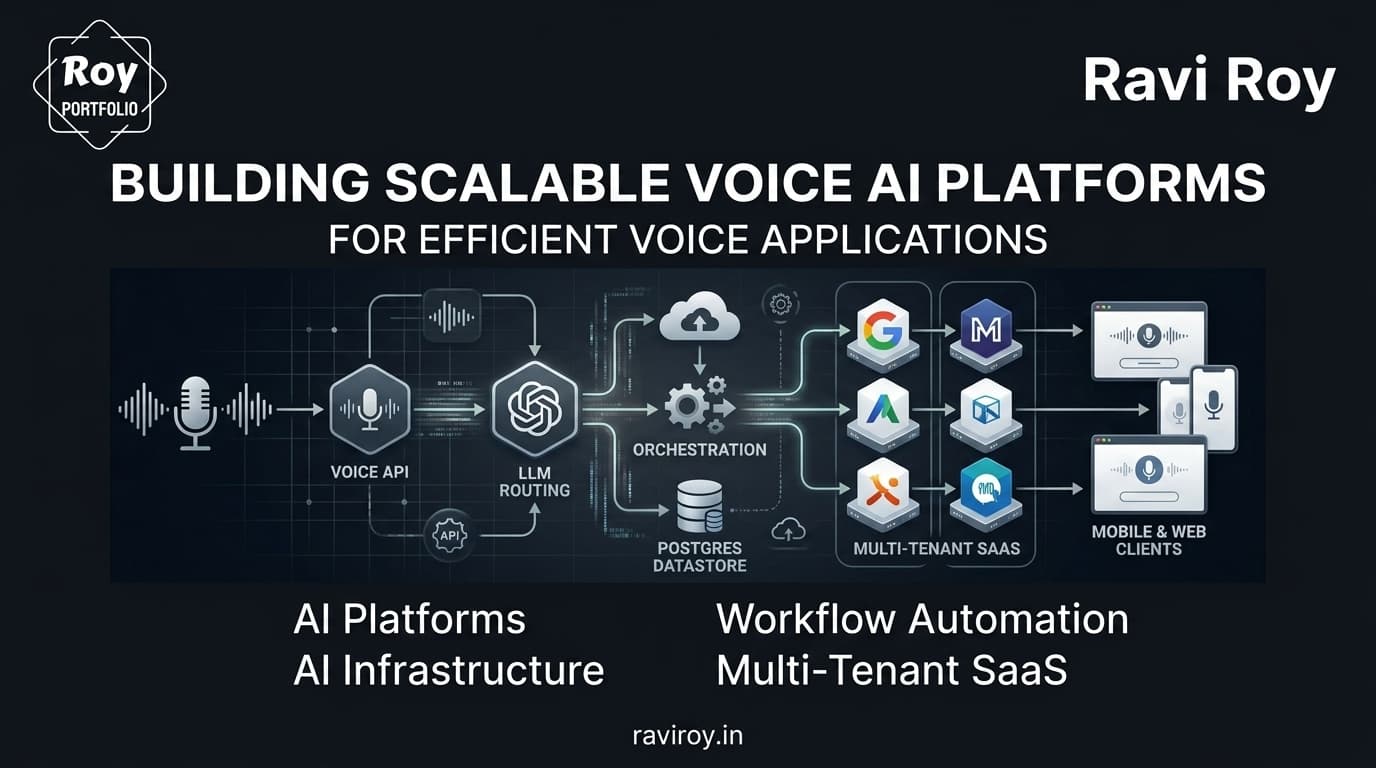
Building Scalable Voice AI Platforms for Efficient Voice Applications
Voice AI is transforming the way we interact with technology, making communication more intuitive and seamless. However, building scalable voice AI platforms that can efficiently handle diverse applications is no small feat. Let's delve into what makes these platforms crucial, how they can be constructed, and the considerations involved in their deployment.
Understanding Voice AI Platforms
What is a Voice AI Platform?
A voice AI platform serves as the backbone for developing voice applications, enabling machines to understand and respond to human speech. These platforms utilize advanced natural language processing (NLP) and machine learning algorithms to facilitate genuine conversations between users and devices. By acting as a conduit between user input and actionable systems, voice AI platforms play an essential role in various sectors, from customer service to smart home applications.
Key Features to Look For
When evaluating voice AI platforms, certain essential features can make a significant difference in their effectiveness:
Multilingual Support: To cater to a global audience, the ability to understand and respond in multiple languages is crucial.
Low Latency: Quick responsiveness enhances user experience, making interaction feel natural and fluid.
Compliance: Ensuring adherence to industry regulations, especially in sectors like finance and healthcare, is critical to building trust and security.
Building Your Scalable Voice AI Infrastructure
Cloud-Native Architectures
Building a scalable voice AI platform starts with adopting cloud-native architectures. These solutions provide flexibility, allowing developers to scale resources up or down based on demand. The advantages are clear; cloud-native environments enable faster development cycles, streamline updates, and provide resilience against downtimes. This adaptability means businesses can ensure that their applications remain fully operational, no matter how many users are interacting with the system.
Lower Latency at High Concurrency
Achieving low latency in voice applications, especially during peak usage times, presents a unique challenge. By implementing edge computing techniques, latency can be minimized, allowing voice data to be processed closer to the source. Additionally, optimizing server resources and employing load balancing strategies are effective ways to handle high user concurrency without compromising performance. The goal is for users to feel as though they are engaging in a real-time conversation, irrespective of their location or the load on the system.
Ensuring Compliance and Security in Voice AI Platforms
Enterprise Compliance Challenges
As companies increasingly adopt voice AI technologies, compliance challenges become a pressing concern. Enterprises must navigate complex regulations related to data protection, such as GDPR and CCPA. Failure to comply can lead to severe consequences, including hefty fines. Understanding these challenges is essential for organizations looking to integrate voice AI into their operations.
Best Practices for Data Security
To ensure data security in voice applications, companies should adopt several best practices:
Data Encryption: Secure voice data both in transit and at rest to mitigate unauthorized access.
User Consent: Explicitly obtain user consent before capturing voice data to foster trust and transparency.
Regular Audits: Conduct routine audits to assess compliance and ensure that security measures are up to date.
Integrating Voice AI with Existing Systems
CRM and Analytics Integration
Voice AI platforms can be integrated with Customer Relationship Management (CRM) systems to enhance customer interactions. By analyzing voice data alongside customer history, companies can provide personalized experiences, anticipating user needs more effectively. Such integrations improve overall customer satisfaction and streamline service operations.
Omnichannel and Multimodal Strategies
Implementing omnichannel strategies extends the reach of voice AI applications, ensuring a seamless user experience across various interaction points, including voice, chat, and visual interfaces. Multimodal strategies, where users can switch between modes of interaction, increase engagement and make applications more versatile. This approach not only enhances user retention but also deepens customer insights.
Deployment and Automation in Voice AI Platforms
Faster Deployment Cycles
The speed of deployment can be a game-changer in the competitive landscape of voice technology. Utilizing DevOps practices enables teams to streamline processes, allowing for quicker iterations and updates. This agility can lead to fast-tracked launch timelines, ensuring that new features and functionalities reach users faster, ultimately fostering innovation.
Multilingual and Agentic Automation
Multilingual capabilities are not just about language translation; they involve understanding cultural nuances and contextual meanings, making interactions meaningful. Additionally, agentic automation combines AI-driven decision-making with human oversight, leading to more intelligent and responsive voice applications. This ensures that the system can handle queries effectively, while also allowing human agents to step in when necessary.
Evaluating Voice AI Platforms: A Practical Approach
Best Platforms for Enterprises
When assessing voice AI platforms, enterprises should consider factors such as scalability, ease of integration, and the ecosystem’s overall maturity. Numerous platforms offer unique strengths, from built-in analytics to advanced NLP functionalities. Comparing the leading options can provide insights into which solution best meets organizational needs.
Choosing the Right Tools for Developers
For developers looking to harness the power of voice AI, choosing the right tools is paramount. Factors such as SDK availability, community support, and documentation quality can significantly influence the development experience. Prioritizing these elements can lead to smoother integration and more robust applications.
Ready to build your scalable Voice AI platform? Contact us today for expert guidance!