Understanding AI Infrastructure in SaaS
AI is rapidly transforming the landscape of Software as a Service (SaaS), pushing the boundaries of what these applications can achieve. Understanding AI infrastructure is critical for businesses looking to leverage these advancements effectively.
What is AI in SaaS?
AI in SaaS refers to the integration of artificial intelligence technologies into software applications that are delivered online. This could range from basic automation to complex machine learning models that analyze user data in real-time to enhance user experiences.
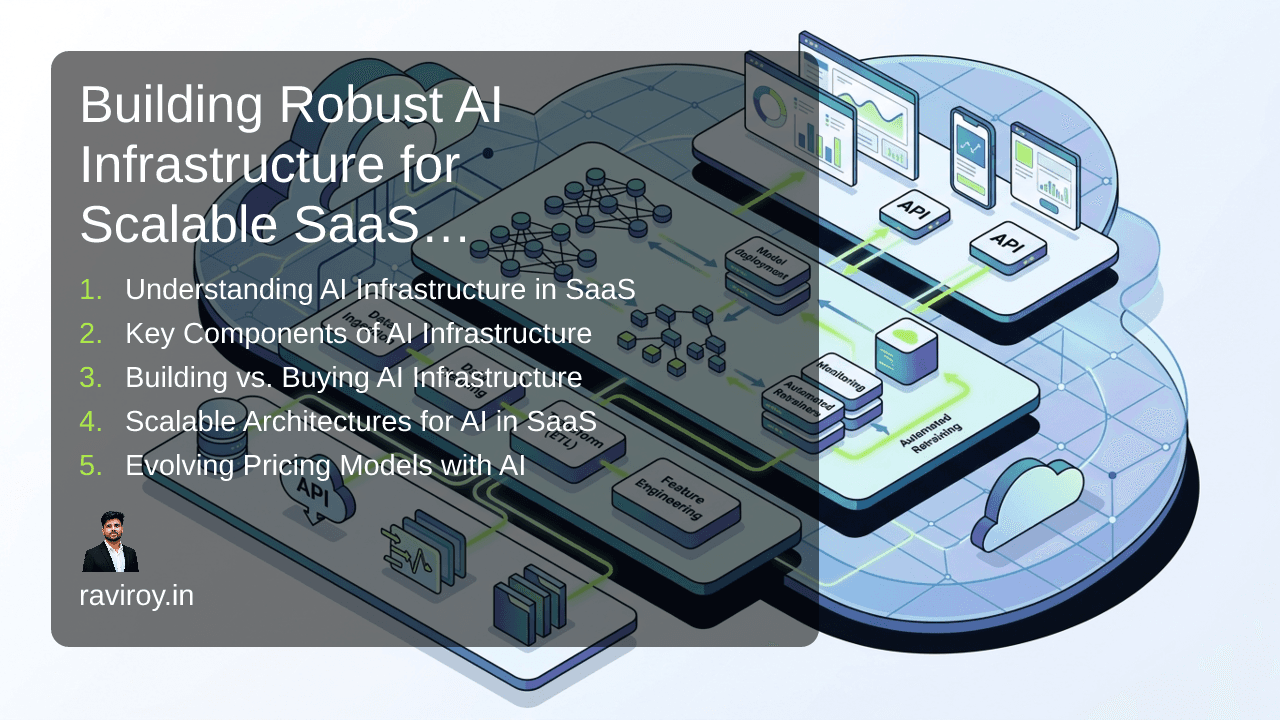
Defining AI infrastructure within this context means recognizing that it serves as the backbone for these innovations. It includes the data processing capabilities, computational resources, and the algorithms necessary for driving intelligent functionalities like recommendations and predictive analytics.
Why is AI Infrastructure Essential?
The role of AI infrastructure in SaaS cannot be overstated. It is essential for a few key reasons:
Enhanced Capabilities: AI can significantly improve functionality, making applications not just reactive but predictive. By analyzing user behavior and preferences, AI can personalize experiences, which is becoming a market standard.
Differentiation: Traditional SaaS applications often lack the innovative edge that AI-driven solutions provide. Organizations that incorporate AI into their SaaS offerings can stand out in a saturated market by delivering unique value propositions.
Scalability: A robust AI infrastructure allows for seamless scaling. Companies can adapt their services to increased demand without sacrificing performance, a crucial factor for growing businesses as they navigate market demands.
Key Components of AI Infrastructure
Building a resilient AI infrastructure requires a careful blend of several critical components.
Data as a Core Component
Data is the lifeblood of any AI application. However, it’s not just about amassing vast amounts of data; the quality and accessibility of that data are paramount. High-quality, clean datasets enable more accurate machine learning models, leading to better decision-making processes.
A practical strategy might involve implementing a data ingestion pipeline using tools like Apache Kafka or AWS Kinesis to ensure that incoming data is processed efficiently and made readily available for analysis.
Computational Resources
AI workloads can be intensive, necessitating significant computational resources. Cloud services such as AWS, Google Cloud, and Azure offer flexible solutions that allow companies to access scalable computing power without a massive upfront investment.
For example, utilizing GPU instances for training machine learning models can drastically cut down on processing time compared to traditional CPU instances. Understanding when to leverage these resources can make a pivotal difference in performance and cost-efficiency.
Security and Governance
With increasing reliance on data comes the responsibility of ensuring its security and governance. AI applications require stringent security measures to protect sensitive information. Implementing protocols such as encryption, access controls, and regular audits can fortify your infrastructure against potential vulnerabilities.
Moreover, adhering to compliance frameworks like GDPR can avoid legal pitfalls while ensuring that users' data is handled ethically.
Building vs. Buying AI Infrastructure
When it comes to AI infrastructure, companies face a critical decision: build it themselves or buy existing solutions. Each approach has its pros and cons.
Evaluating Your Needs
Before making a decision, it’s important to conduct a comprehensive analysis of your organizational needs. Factors to consider include the complexity of the AI applications you plan to develop and your internal capabilities.
For instance, if your team has substantial expertise in AI and machine learning, building your infrastructure could allow for greater customization. Conversely, a company lacking in-house expertise may find that purchasing a ready-made solution accelerates their time-to-market.
Costs and Benefits of Each Approach
Building: High upfront costs associated with software development and harder to predict long-term expenses. However, it allows for greater flexibility and customization.
Buying: Lower initial investment, allowing companies to leverage existing technologies quickly. However, ongoing licensing fees can accumulate, and customization options might be limited.
An example of a company that successfully built its AI infrastructure is Netflix, which developed its platform to not only provide streaming services but also to analyze viewer behavior and personalize recommendations.
Scalable Architectures for AI in SaaS
The architecture of your AI infrastructure significantly influences its scalability.
Microservices and APIs
Adopting a microservices architecture allows different components of your application to be deployed independently. This modular approach facilitates easier scaling and maintenance. Use APIs to enable communication between these microservices, allowing for seamless integration.
For example, a SaaS application might include separate microservices for user authentication, data processing, and AI model inference, each of which can be scaled based on demand.
Monitoring and Optimization Techniques
Regularly monitor performance using tools like Prometheus or Grafana to keep track of your application’s health. These tools help identify bottlenecks and areas for improvement.
Consider implementing a self-optimizing system using techniques like reinforcement learning. These systems can adapt existing algorithms based on ongoing performance metrics, ensuring that the service continually improves without human intervention.
Evolving Pricing Models with AI
AI is also reshaping how SaaS providers approach pricing.
AI-Driven Pricing Strategies
AI-driven insights can dynamically adapt pricing based on various factors, including user behavior and market conditions. By using machine learning algorithms to analyze previous sales data, SaaS providers can fine-tune their pricing models to maximize revenue.
For example, a subscription model might be adjusted to include personalized discounts for users who frequently engage with your service, leading to increased customer retention.
Subscription vs. Pay-Per-Use
Both pricing models have their advantages and disadvantages. Subscription plans offer predictable revenue but can deter some potential customers. Pay-per-use models provide flexibility and align costs with actual usage but can lead to revenue unpredictability.
Consider experimenting with hybrid pricing models, combining both approaches based on user segments and behavior. Companies like AWS have successfully integrated this strategy, providing users with the best of both worlds.
Challenges and Considerations
While building a robust AI infrastructure offers many benefits, it also comes with its challenges.
Handling Data Governance
Data governance is one of the most pressing challenges organizations face. Ensuring compliance with regulations and maintaining data integrity requires a proactive approach. Implementing a data stewardship program can help oversee data quality and governance practices.
Mitigating AI Bias
AI systems are only as unbiased as the data they are trained on. It’s essential to conduct regular audits of your AI models to identify and mitigate bias. Use techniques like adversarial training to expose your models to diverse datasets and correct biases proactively.
The Future of AI Infrastructure in SaaS
As technology progresses, so will AI infrastructure.
Trends to Watch
Look for trends such as agentic AI—where systems can make decisions autonomously — and the rise of vertical SaaS, which focuses on niche markets. Staying ahead of these trends will position your organization for future success.
Preparing for the Next Phase of Innovation
To prepare for future advancements, continuously invest in training your workforce and upgrading your infrastructure. Collaborate across departments to share insights and best practices, fostering an innovative culture that embraces change.
Building robust AI infrastructure for scalable SaaS deployments is not just a technical exercise; it’s a strategic imperative that can differentiate your business in a competitive market. What challenges have you faced when building your AI infrastructure for SaaS, and how did you overcome them?
💬 Join the conversation — share your take in the comments and tell us what you’d add.