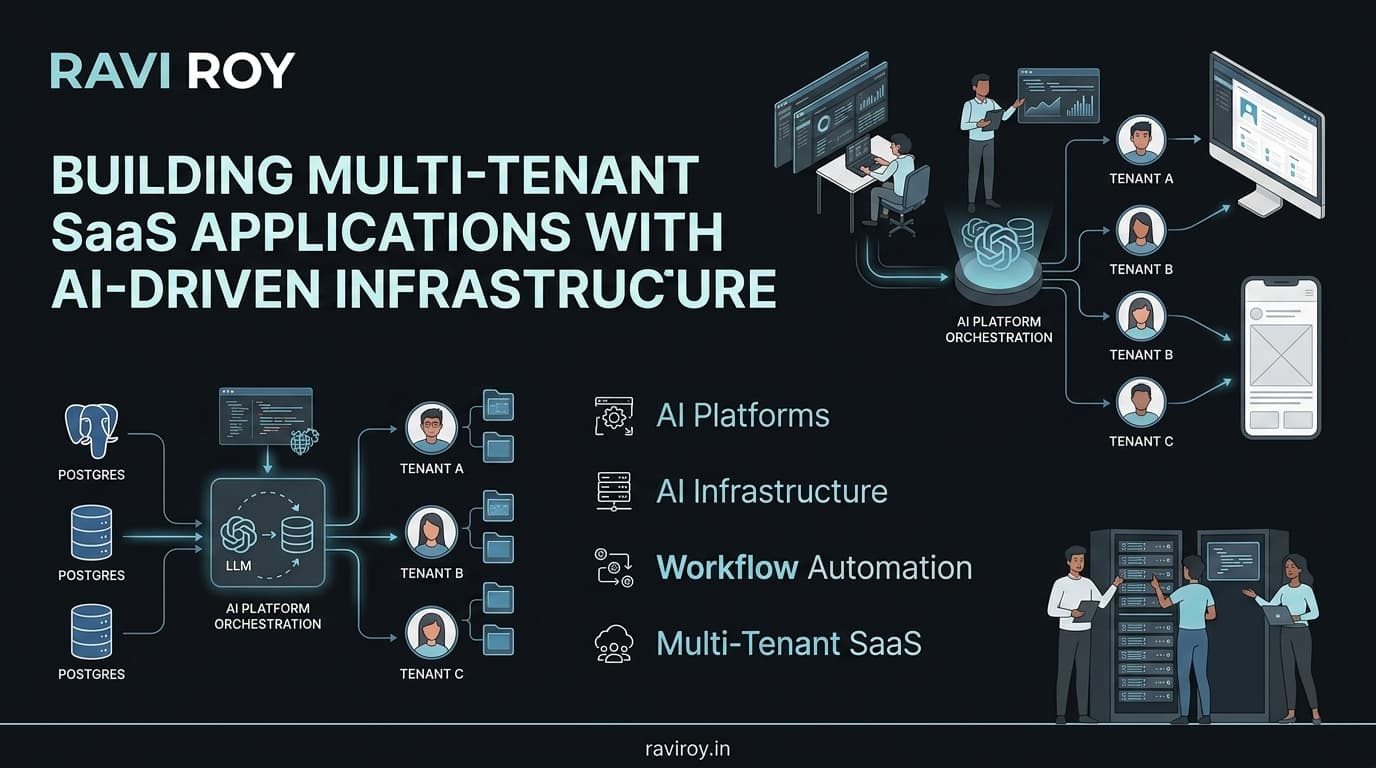
Understanding Multi-Tenant SaaS Architecture
What is Multi-Tenant SaaS?
Multi-tenant SaaS (Software as a Service) is a cloud computing architecture where a single instance of a software application serves multiple customers (or "tenants"). Each tenant's data and configurations are securely isolated, yet they share the underlying infrastructure and resources. This differs from single-tenant solutions, where each customer has exclusive access to their own instance of the software, resulting in higher costs and more complex maintenance.
In a multi-tenant setup, businesses can enjoy cost efficiencies and resource sharing, making it a smart choice for startups and enterprises alike. The shared architecture allows for faster updates and feature releases, benefiting all tenants simultaneously. With the continuous evolution of cloud technology, multi-tenant models are gaining traction for providing significant scalability and flexibility.
Benefits of Multi-Tenant Architecture
The benefits of adopting a multi-tenant architecture are plentiful. First and foremost, it reduces operational costs significantly. By sharing the same resources, companies can allocate budgets more effectively, focusing on innovation rather than maintenance.
Furthermore, multi-tenant applications offer faster release cycles. New features can be rolled out to all tenants at once, ensuring every customer has access to the latest improvements. This agility allows businesses to stay competitive and responsive to market demands, enhancing overall user satisfaction and engagement.
Data Models for Tenant Isolation
Choosing the Right Database Model
Selecting an appropriate database model is crucial for ensuring tenant isolation and data security. The three primary models include shared database, schema-per-tenant, and database-per-tenant.
Shared Database: All tenants’ data resides in the same database with a shared schema. While this is cost-effective, it can pose significant risks to data isolation.
Schema-per-Tenant: Each tenant has its own schema within a shared database. This option provides a higher degree of security while still being cost-effective.
Database-per-Tenant: Each tenant has its own database instance. This model offers the highest level of data isolation, although it may incur more substantial operational costs.
Each model has its own advantages and challenges, and the choice largely depends on the specific compliance and isolation requirements of your organization.
Best Practices for Data Security
Data isolation is not just about separating tenant data; it's also about maintaining compliance with regulations like GDPR and HIPAA. Encryption is a key method for ensuring the security of sensitive data. Implementing strong encryption protocols both at rest and in transit is critical.
Access controls play a pivotal role as well. Ensure that only authorized personnel have access to tenant data. Employing role-based access control (RBAC) can further enhance security by assigning specific permissions based on user roles.
Scaling Your Multi-Tenant SaaS Application
Tenant-Aware Auto-Scaling
As your application scales, it's essential to implement a tenant-aware auto-scaling mechanism. This allows the application to automatically adjust its resource allocation based on the usage patterns of each tenant. For example, during peak loads, the system can dynamically provision additional resources for tenants that require them, ensuring consistent performance across the board.
Performance Optimization Strategies
To keep your multi-tenant SaaS application running smoothly, consider utilizing caching strategies and load balancing techniques. Caching can dramatically reduce response times for frequently accessed data, enhancing user experience. Load balancing distributes incoming traffic efficiently across multiple servers and helps maintain application performance, even under heavy usage.
Monitoring performance metrics is also crucial. Implement tools that track resource usage and performance across different tenants to identify bottlenecks and areas for improvement. This will enable proactive adjustments, maintaining optimal performance.
AI-Driven Infrastructure for Enhanced Observability
Leveraging AI for Monitoring and Compliance
With the complexity of multi-tenant infrastructures, leveraging AI tools for enhanced observability becomes vital. AI can analyze vast amounts of data to detect anomalies, monitor compliance, and optimize resource usage in real time. This enhances operational visibility and aids in swiftly addressing potential issues before they affect tenants.
Policy Automation Techniques
Automating policy enforcement is another advantage of implementing an AI-driven infrastructure. By standardizing compliance requirements across tenants, businesses can significantly reduce the risk of human error. For instance, AI can automatically enforce security protocols, ensuring that tenant data remains protected while meeting regulatory obligations. Successful integrations showcase how businesses benefit from improved operational efficiency and reduced compliance risks.
Tenant Management and Self-Service Capability
Standardization of Tenant Management
Efficiency in tenant management is critical for maintaining strong customer relationships. Automating tenant onboarding and offboarding reduces operational overhead, improving the overall experience for new and departing customers. Establish standardized procedures to help streamline these processes, ensuring consistency and reliability.
Implementing Self-Service Portals
Self-service capabilities empower tenants, allowing them to manage their subscriptions, update configurations, and access support resources without needing to go through the client service team. Key features to include in self-service portals are user-friendly interfaces, robust help documentation, and integration with support systems. This not only enhances customer satisfaction but also frees up internal resources for strategic initiatives.
Future-Proofing Your Multi-Tenant SaaS Solution
Embracing Hybrid Multi-Tenancy Models
As customer needs become increasingly diverse, embracing hybrid multi-tenancy models can provide the flexibility required to meet various tenant demands. This allows for a combination of isolated resources for high-security tenants while still leveraging the cost efficiencies of shared resources for others. Hybrid models can cater to a wider range of customer needs, ensuring future growth and adaptability.
Long-Term Operational Maturity
To achieve long-term operational maturity, implementing continuous integration and continuous deployment (CI/CD) practices is key. This enables frequent updates and ensures that the infrastructure can cope with evolving requirements. Foundational practices, such as regular system audits and performance assessments, will also enhance stability and reliability.
Building a robust, multi-tenant SaaS application requires careful planning and execution, but the rewards can be vast. By leveraging AI-driven approaches and focusing on scalability, security, and tenant satisfaction, organizations can create a solution that stands the test of time.
Ready to take your multi-tenant SaaS application to the next level? Contact us today to learn how our AI-driven solutions can help you scale efficiently!