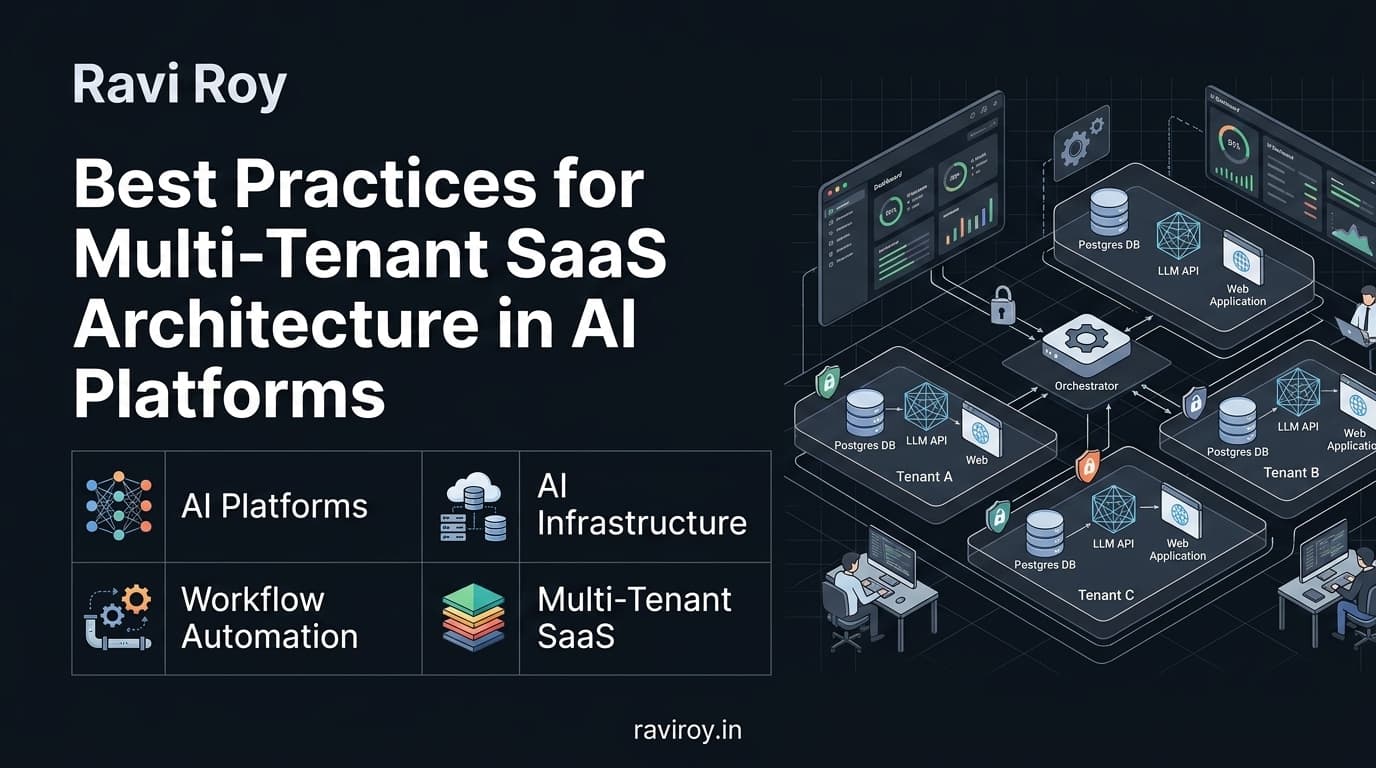
Understanding Multi-Tenant SaaS Architecture
In the evolving tech landscape, the need for efficient, scalable, and flexible solutions is paramount. Multi-tenant SaaS architecture stands at the forefront, enabling multiple users to share the same software application while keeping their data secure and isolated. This innovative approach not only maximizes efficiency but also reduces costs, making it ideal for businesses leveraging Artificial Intelligence (AI) platforms.
Definition of Multi-Tenant SaaS
Multi-tenant SaaS refers to a single instance of software that serves multiple customers or "tenants." Each tenant is uniquely identifiable, and despite sharing the same infrastructure, their data is isolated and secure. This architecture relies on core principles like shared code bases, centralized management, and simplified maintenance. By utilizing a multi-tenant structure, businesses can scale their operations efficiently while reducing overheads.
Differences from Single-Tenant SaaS
In contrast, single-tenant SaaS architecture dedicates an entire instance of the software to one tenant. While this model offers higher levels of customization and control, it also leads to greater resource allocation and potentially higher costs. Multi-tenancy excels in resource utilization, enabling shared resources that translate to lower operational costs for tenants and more efficient updates and maintenance processes.
Benefits of Multi-Tenant SaaS in AI Platforms
The current market environment demands solutions that can deliver rapid results without compromising on quality or performance. Multi-tenant SaaS architecture in AI platforms meets this demand through several significant benefits.
Cost-Efficiency
One of the primary advantages of multi-tenant SaaS is its cost-efficiency. By sharing resources such as storage, processing power, and server management, businesses can cut down on expenses significantly. This shared responsibility often results in lower subscription fees and reduced operational costs, allowing businesses to invest more in innovative solutions and growth.
Scalability
Multi-tenancy supports greater scalability, especially crucial in AI applications where data processing needs can vary dramatically. With a robust multi-tenant system, businesses can easily scale their operations up or down, responding seamlessly to user demand without requiring additional infrastructure, leading to significant cost savings.
Improved Resource Utilization
The architecture maximizes resource utilization through a shared infrastructure model, where resources are allocated dynamically based on real-time demands. This adaptability ensures that all tenants receive optimal performance without overprovisioning or wasting resources on underutilized assets.
Designing a Multi-Tenant SaaS Architecture
Creating an efficient multi-tenant SaaS architecture requires careful planning and consideration of various components.
Planning the Architecture
A well-planned architecture is vital for maintaining security and efficiency. This begins with understanding business requirements and anticipating future growth scenarios. Employing a modular approach allows for greater flexibility as new tenants can be integrated without undergoing massive redesigns.
Key Components to Consider
Essential components in a multi-tenant architecture include:
Databases: A centralized database can offer efficient data storage, whereas separate databases for each tenant can enhance security and isolation.
Servers: Load balancers distribute traffic effectively across servers, ensuring no single resource is overwhelmed.
APIs: Well-designed APIs facilitate communication between different services and tenants, contributing to seamless functionality.
Tenant-Aware Orchestration and Routing
Orchestration plays a crucial role in multi-tenant SaaS. The ability to manage traffic and resources effectively is fundamental for ensuring performance and security.
Importance of Tenant-Aware Systems
Tenant-aware orchestration systems are designed to understand tenant-specific requirements, including data isolation needs, resource allocation, and security protocols. This awareness allows for precise routing and management of resources, ultimately enhancing the user experience and ensuring compliance with data regulations.
Best Practices for Effective Orchestration
Implementing effective orchestration requires adherence to best practices, including:
Dynamic Scaling: Automatically adjusting resources based on usage patterns ensures that tenants always have the resources they need.
Traffic Prioritization: Understanding tenant criticality and ensuring that high-value tenants receive prioritized service can significantly impact customer satisfaction.
Isolation Techniques in Multi-Tenant Systems
Isolation is key to maintaining data security within a multi-tenant architecture.
Achieving Stronger Isolation
Effective isolation safeguards tenant data against unauthorized access. This is vital in industries handling sensitive information, from healthcare to finance. Strong isolation mechanisms build confidence among tenants, knowing their data remains secure.
Isolation Methods
Methodologies for achieving robust isolation include:
Database Sharding: Dividing databases by tenant-specific data can enhance data isolation while allowing shared resources.
Containerization: Utilizing containers can provide a virtualized environment for each tenant, enhancing security and flexibility.
Automation in Onboarding and Tenant Management
Automation streamlines various processes within multi-tenant SaaS architecture, enhancing efficiency and user experience.
Benefits of Automation
The integration of automation into tenant management reduces manual errors, accelerates onboarding, and enhances the overall efficiency of management processes. Automated systems can instantly allocate resources, provision environments, and ensure compliance, which is especially critical in rapidly changing AI environments.
Key Automated Processes
Key processes in tenant management that can be automated include:
Tenant Onboarding: Automating the onboarding process allows new tenants to start using the platform quickly and efficiently.
Billing and Invoicing: Automated billing reduces administrative burdens and errors, ensuring tenants receive accurate pricing based on usage.
Case Studies: Successes and Failures in Tenant Orchestration
Real-world examples offer invaluable insights into the effectiveness of multi-tenant implementation strategies.
Successful Implementations
Several companies have successfully adopted multi-tenant architectures for their AI platforms, resulting in significant cost savings and user satisfaction. For instance, a major AI firm reduced customer onboarding time by 50% after implementing an automated, tenant-aware orchestration system.
Lessons from Failures
However, not all implementations have been successful. Common pitfalls include poor isolation leading to data breaches and ineffective orchestration causing resource bottlenecks. Learning from these failures provides essential insights for fostering a successful multi-tenant environment.
Want to enhance your multi-tenant SaaS architecture? Contact us for expert guidance!