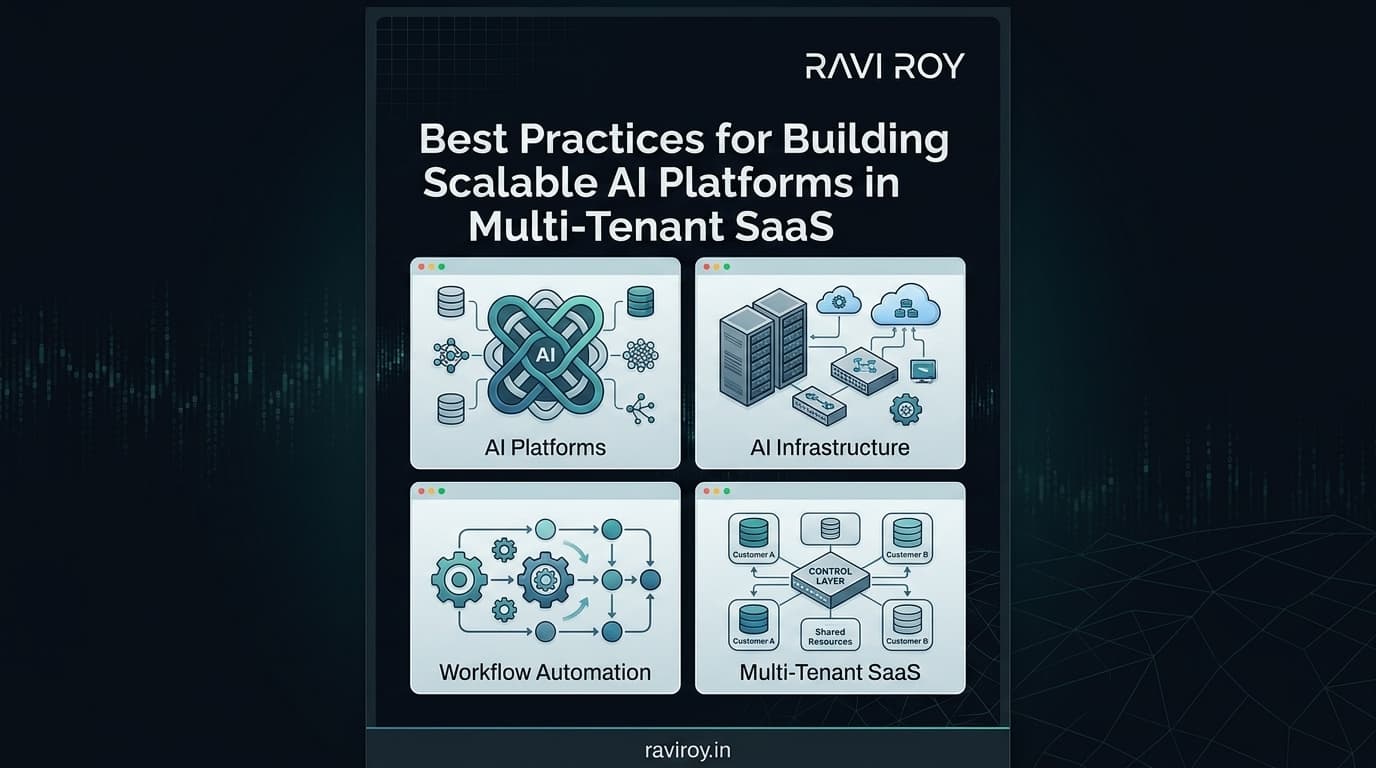
Understanding Scalable AI Platforms
What Are Scalable AI Platforms?
Scalable AI platforms are sophisticated infrastructures designed to handle increasing workloads efficiently while delivering superior performance. These platforms incorporate core components such as advanced machine learning models, data processing capabilities, and robust APIs, all aimed at providing seamless user experiences. As businesses expand, the demand for scalable solutions becomes critical, particularly in environments where multiple tenants share resources, making the architecture even more complex.
Importance of Multi-Tenant Architecture
Multi-tenant architecture allows several customers (or tenants) to use the same software infrastructure while isolating their data. This setup not only reduces costs but also enhances resource utilization. By adopting a multi-tenant approach, companies experience improved scalability, increased efficiency, and a significant reduction in the time to market. The scalability of an AI platform directly impacts its performance and user experience; as the number of users increases, it’s essential that the system adapts without compromising speed or reliability.
Key Best Practices for Building Scalable AI Platforms
Adopting the Right Architecture
To establish a reliable scalable AI platform, it's crucial to implement a platform-first architecture. This approach focuses on creating foundational layers that separate functionalities, enabling more manageable updates and expansions. A modular architecture makes it easier to introduce new features without disrupting existing services, ensuring that performance remains high and user experiences are not hampered.
Implementing Tenant-Aware Policies
Security is paramount in a multi-tenant environment. Employing shared control planes helps in maintaining data segregation while ensuring tenant-aware security policies are adhered to. By using these policies, organizations can protect each tenant's data and guarantee compliance with security standards. This proactive approach to security not only fortifies the platform but builds trust among users, enhancing overall satisfaction.
Prioritizing Continuous Evaluation
In the evolving landscape of AI, it's essential to prioritize ongoing evaluation over one-time validation processes. Regularly assessing performance metrics allows organizations to fine-tune algorithms and infrastructure based on real-time data. This iterative strategy ensures that the platform remains responsive to shifts in user demands and operational requirements, ultimately optimizing performance and user experience.
Managing AI Workloads in Multi-Tenant SaaS Systems
Workload Allocation Strategies
Effectively managing AI workloads in a multi-tenant environment requires innovative allocation strategies. Leveraging advanced scheduling algorithms can help distribute workloads based on the specific needs of each tenant, ensuring that all receive adequate resources. Dynamic scaling techniques can also adapt resource allocation during peak usage times, preserving performance for every user on the platform.
Tenant Isolation Techniques
Tenant isolation is key to both security and performance in multi-tenant SaaS systems. Isolation techniques, such as containerization or virtual partitioning, can be employed to ensure that one tenant's operations do not affect another's. This method not only boosts overall security but also optimizes resource allocation, leading to a smoother experience across the board.
Data Security and Compliance in AI Platforms
Ensuring Data Privacy
Data security is a significant concern for AI platforms, especially when handling sensitive information across multiple tenants. Implementing strong encryption methodologies protects data in transit and at rest, ensuring that unauthorized access is prevented. Employing audit trails and monitoring systems can further enhance the security framework, allowing organizations to maintain compliance while fostering a safe environment for users.
Compliance Regulations Overview
Organizations must navigate a complex landscape of compliance regulations affecting AI operations. Key regulations such as GDPR and CCPA mandate strict standards for data processing and user privacy. Being proactive about these requirements—not just for compliance but to build trust with users—should be a foundational aspect of any scalable AI platform.
Overcoming Scalability Challenges in AI Platforms
Identifying Common Scalability Issues
As with any rapidly growing system, scalable AI platforms face numerous challenges. Some common scalability issues include bottlenecks in data processing, inadequate resource allocation, and increased latency. By identifying these challenges early, organizations can implement strategies that mitigate potential disruptions and maintain operational efficiency.
Developing Cost Management Techniques
While scaling operations, cost management becomes increasingly pertinent. Adopting efficient resource allocation models can optimize expenses, allowing for better budget use without sacrificing quality. Techniques such as serverless architecture or usage-based pricing models can provide financial flexibility, making it easier to adapt to changing demands.
Challenges and Opportunities in Hybrid Infrastructure
Integration with Edge Computing
The rise of IoT devices and edge computing introduces both challenges and opportunities for scalable AI platforms. By integrating edge computing, businesses can process data closer to its source, reducing latency and improving responsiveness. This hybrid approach can effectively optimize workloads, leading to better user experiences and more efficient data processing.
Elastic Infrastructure Management
Elastic infrastructure management allows organizations to adapt to varying workloads seamlessly. By implementing cloud-based solutions that can scale resources on demand, businesses can efficiently address fluctuations in user traffic. This adaptability is crucial for maintaining performance standards and ensuring that the platform can accommodate growth without significant investment in physical infrastructure.
Real-World Use Cases of Scalable AI Platforms
Industry-Specific Applications
Scalable AI platforms are increasingly being adopted across various industries, showcasing their versatility. From healthcare providers using AI to analyze patient data and improve outcomes to financial institutions employing predictive analytics for risk management, the applications are boundless. By leveraging these platforms, organizations can solve complex challenges unique to their sectors, driving innovation and efficiency.
Case Studies of Successful Implementations
Several companies have successfully implemented scalable AI platforms, yielding impressive results. For example, a leading retail chain used a scalable AI model to personalize marketing initiatives, resulting in a 20% increase in customer engagement. Such success stories highlight the potential of scalable AI platforms when aligned with strategic business objectives and sound implementation practices.
Ready to build your own scalable AI platform? Contact us to get started on your journey!