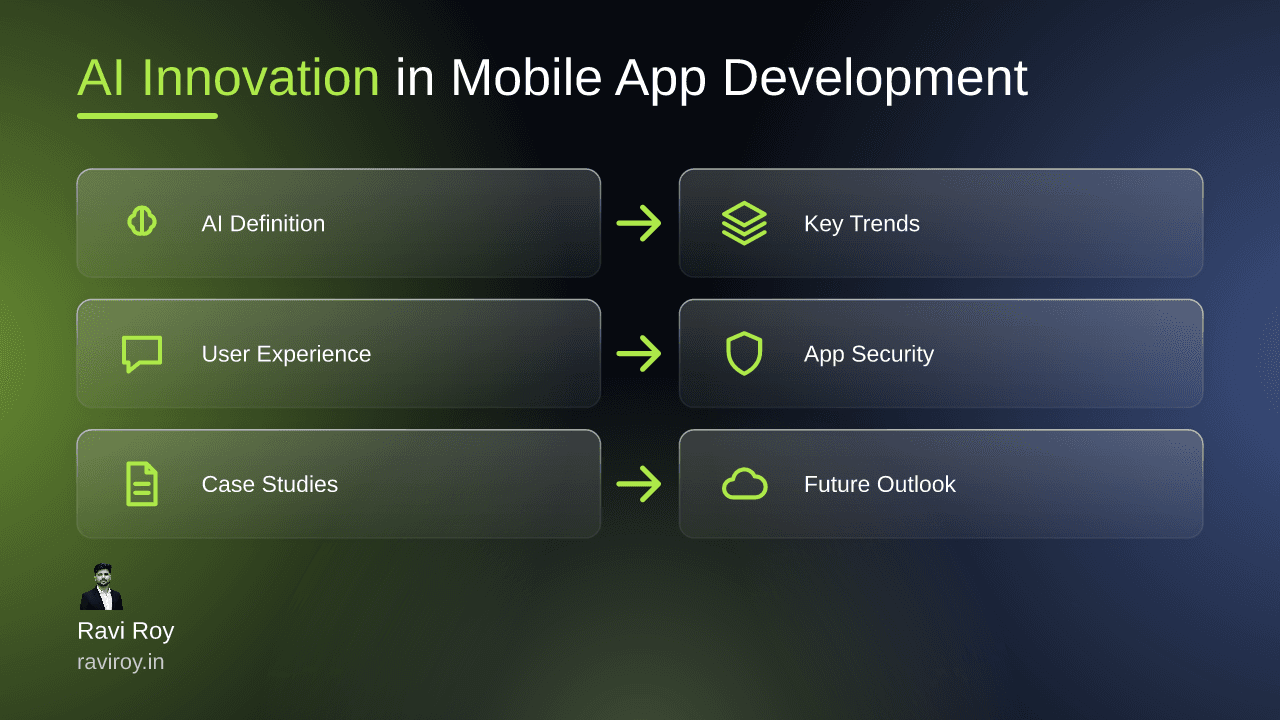
Understanding AI Innovation in Mobile Apps
Defining AI Innovation
AI innovation in mobile app development goes beyond merely adding intelligent features; it represents a transformative shift in how apps interact with users, learn from their behavior, and optimize services in real-time. Through machine learning algorithms, user data analytics, and on-device processing capabilities, apps can tailor experiences like never before. This not only enhances usability but also significantly improves user satisfaction and engagement.
The Evolution of AI in Apps
The journey of AI within mobile applications can be traced through several key milestones. Initially, AI functionalities were embedded in selection processes or basic recommendations. Fast forward to today, and we're witnessing groundbreaking implementations in real-time language translation, facial recognition, and sophisticated predictive analytics. Technologies like natural language processing (NLP) and computer vision have redefined expectations, allowing apps to provide sophisticated functionalities that adapt to user preferences and behaviors continuously.
Benefits of On-Device AI in 2023
Personalized User Experiences
On-device AI is a game changer for delivering personalized user experiences. By analyzing behavior patterns locally, apps can provide tailored recommendations, immediate insights, and adaptive interfaces. Imagine a fitness app that monitors your daily routines, suggesting workouts that match not just your fitness level, but also your preferred time of day and workout type—this level of customization is achievable with on-device AI.
Enhanced App Security
As mobile threats become increasingly sophisticated, so does the need for enhanced security. AI plays a critical role in app security by enabling real-time analysis and threat detection. For example, an app can learn to recognize anomalies in user behavior that may signal fraud. By automatically alerting users or taking preventive actions, AI ensures that security measures are not an afterthought but a core component of the app experience.
Improved Development Processes
AI doesn't just enhance user experiences; it streamlines development processes too. With automation tools powered by AI, developers can speed up tasks such as code generation, testing, and even deployment. This reduces the time to market, allowing developers to focus on innovation and creative solutions rather than repetitive tasks.
Exploring Key Trends in AI for Mobile Apps
Voice and Speech Recognition
Voice and speech recognition technology is becoming increasingly integrated into mobile applications. This development allows users to interact with apps in a hands-free manner, making the experience more accessible. Apps like Google Assistant and Siri set the precedent, enabling users to send texts, set reminders, and control smart devices through voice commands. As the technology matures, expect even more seamless integration, such as voice-activated shopping within e-commerce apps, transforming user experience dramatically.
Advanced Data Analytics
AI-driven analytics can convert user insights into actionable data, providing a wealth of information that traditional analytics miss. For instance, an e-commerce app can use AI to analyze purchasing patterns, helping businesses identify trends and potential upsell opportunities. This empowers developers and marketers to craft strategies based on deep understanding rather than assumption, dramatically improving engagement rates.
AI Innovation and User Experience
Real-Time Adaptability
Real-time adaptability is one of the most compelling features of AI innovation. Mobile apps that utilize AI can make instantaneous adjustments based on user interactions. For instance, a music app that learns your listening habits can automatically generate playlists tailored to your mood and activity levels, thereby enhancing user satisfaction and retention.
Contextual Recommendations
Contextual recommendations are another facet of AI-driven user experience enhancement. By considering factors such as user location and time of day, apps can provide timely suggestions that genuinely resonate with users. For example, an investment app could alert users to market opportunities based on their geographical location, enabling timely and informed decision-making.
AI’s Impact on App Security
Proactive Threat Detection
AI revolutionizes the realm of security with its ability to detect threats proactively. Machine learning algorithms can analyze patterns of normal behavior and identify deviations that may indicate security breaches. A banking app utilizing this technology can flag unusual transactions in real-time, minimizing potential loss and protecting user accounts.
User Data Privacy
With regulations like GDPR and CCPA becoming more prevalent, ensuring user data privacy is essential. AI assists in this area by helping developers label and manage data more efficiently while automating compliance checks. Apps that harness AI not only protect user data but also build trust, as they transparently manage privacy concerns.
Successful Case Studies of AI Integration in Apps
Case Study: AI in Health Apps
One notable example of AI integration in mobile health apps is how they monitor vitals like heart rates or blood sugar levels via connected devices. Utilizing AI, these apps can analyze the data in real-time, alerting users to any concerning changes. For instance, a health app might notify a user with diabetes if their glucose levels are trending downwards, enabling timely medical consultations.
Case Study: AI in E-Commerce
In the e-commerce sector, AI-driven enhancements have transformed personalization and conversion rates. An app leveraging AI can analyze past purchases to present users with tailored suggestions, effectively increasing the likelihood of purchases. One powerful application is abandoned cart notifications, where AI can predict and alert users about potential drop-offs based on behavior patterns.
The Future of AI in Mobile App Development
Ethical Considerations
While the possibilities of AI are vast, ethical considerations loom large. Questions about data ownership, consent, and bias in algorithms must be addressed. Developers and companies must navigate these waters carefully to uphold user trust while benefiting from AI innovation.
Challenges for Small-Scale Developers
Not all developers have equal access to the resources necessary to implement advanced AI functionalities. Small-scale developers often face cost and expertise barriers, making it challenging for them to compete in a market dominated by larger firms. Innovating while balancing ethical implications will be crucial for their survival and growth.
The landscape of mobile app development is undeniably evolving with AI innovation. As we embrace these future technologies, the potential for personalized experiences, enhanced security, and streamlined development processes only scratches the surface.
What unique AI features or innovations have you implemented or seen in mobile apps that enhanced their functionality?
💬 Join the conversation — share your take in the comments and tell us what you’d add.