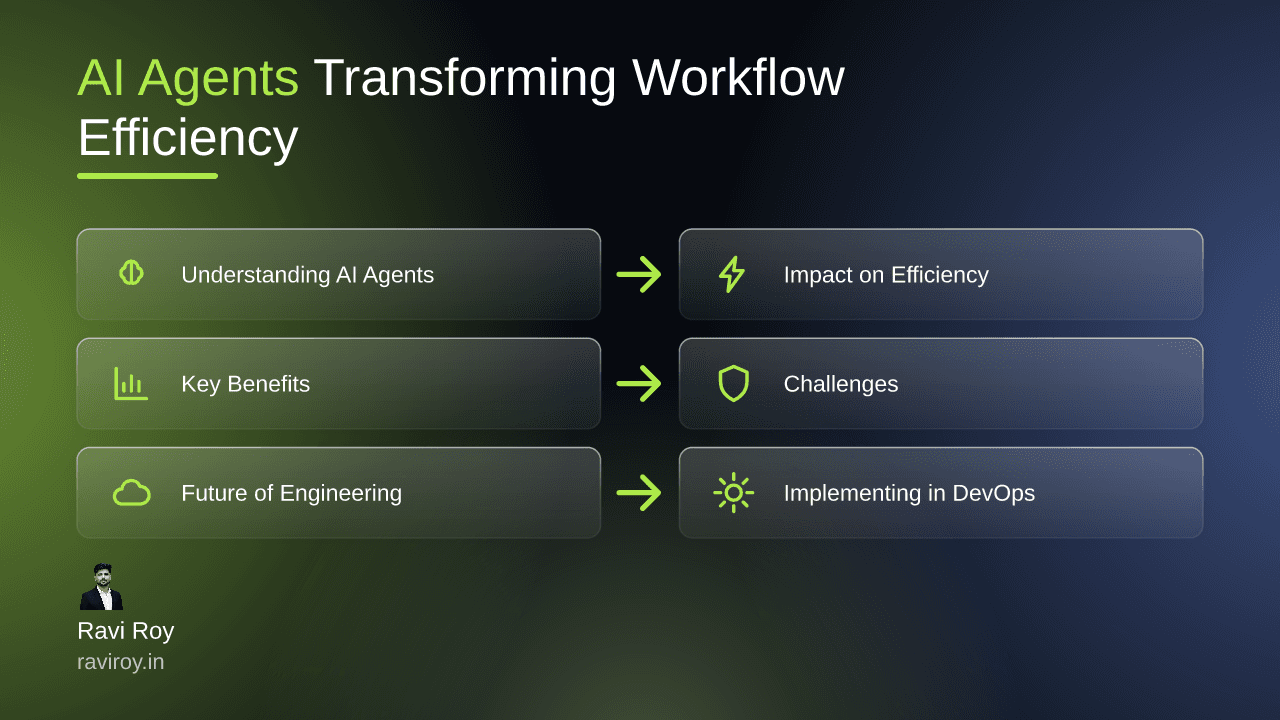
Understanding AI Agents
What are AI Agents?
AI agents are intelligent software systems designed to perform tasks autonomously, significantly enhancing the workflow in software engineering. These agents harness the power of machine learning (ML) and automation, allowing them to assist developers in various stages of the software development lifecycle (SDLC). Whether streamlining coding processes, optimizing testing, or facilitating deployment, AI agents are becoming indispensable in modern software development.
How Do AI Agents Function in Development?
AI agents function by analyzing large data sets to derive patterns and make decisions based on those patterns. Utilizing ML algorithms, these agents can recognize coding styles, suggest optimizations, and even identify potential bugs before they become problematic. By operating alongside human developers, AI agents can automate repetitive tasks, allowing their human counterparts to focus on more complex issues and innovative solutions.
The Impact of AI Agents on Workflow Efficiency
Efficiency Improvements
AI agents can drastically improve workflow efficiency. For example, in coding, these agents can automatically generate code snippets, reducing the time developers spend on routine tasks. Furthermore, during testing phases, AI agents can run automated tests, pinpointing issues much quicker than traditional methods. This reallocation of efforts can lead to significant productivity gains.
According to a recent study, companies that have integrated AI-driven development tools have seen up to a 30% reduction in time to market for their applications. This acceleration underscores the potential of adopting AI agents, particularly through the Agentic SDLC, which focuses on continuous enhancement and automation as opposed to rigid, linear progression.
Real-World Applications
Numerous organizations are already reaping the benefits of AI agents. Consider a leading tech company that implemented an AI agent to manage its code reviews. Before the integration, their engineers spent countless hours scrutinizing code. Post-implementation, the AI agent could evaluate and suggest improvements autonomously, resulting in a 25% reduction in review times. Such real-world applications highlight the profound impact AI agents can have on efficiency.
Key Benefits of Utilizing AI Agents
Enhanced Code Quality
One of the primary advantages of leveraging AI agents is enhanced code quality. Automated testing frameworks powered by AI can run numerous tests simultaneously, ensuring that code not only meets functional requirements but also adheres to best practices and standards. A significant aspect of AI testing involves identifying edge cases that human testers might overlook, thereby minimizing bugs and vulnerabilities in the final product.
In a case study involving a software firm, integrating AI agents into their testing process led to a 40% decrease in post-launch bugs, showcasing the effectiveness of these systems.
Faster Development Cycles
Faster development cycles are another critical benefit of using AI agents. By automating tedious tasks such as code generation and bug fixing, developers can accelerate the entire SDLC. This speed allows teams to respond to changing market demands more swiftly, ultimately driving business success.
An example of this can be found in a startup that adopted AI agents for their coding processes. They reported a 50% increase in their overall development speed, allowing the company to iterate more rapidly based on user feedback.
Improved Collaboration
AI agents also enhance collaboration among teams. By providing real-time insights and recommendations, these agents can break down silos and foster more effective communication. Teams can share knowledge more easily, and the agent’s suggestions can facilitate discussions that lead to innovative solutions.
The integration of AI agents in collaboration tools has shown to improve team feedback loops considerably, which is vital in an agile environment.
Challenges and Limitations of AI Agents
Integration Issues
Despite their advantages, integrating AI agents into existing workflows can present challenges. Companies may struggle with legacy systems that are incompatible with new AI tools, leading to integration hurdles. These challenges can slow down the deployment of AI agents, counteracting their intended benefits.
Skill Gaps
The rapid advancement of AI technology can create skill gaps within teams. Developers may feel under-equipped to work alongside AI agents, leading to apprehension and reluctance to fully adopt these tools. Training and upskilling become critical to bridge these gaps, ensuring that teams can harness the full potential of AI in their development processes.
Ethical Considerations
As AI agents take on more significant roles in development, ethical considerations come into play. Questions arise around accountability and transparency, particularly regarding the decisions made by AI systems. Relying excessively on AI without proper oversight may lead to unintended consequences, making it crucial for organizations to establish clear ethical guidelines.
AI Agents and the Future of Software Engineering
Upcoming Trends
Emerging trends in AI technology promise to revolutionize software engineering even further. Innovations in natural language processing (NLP) are enabling AI agents to understand and respond to human language, making interactions more intuitive. Furthermore, the advent of enhanced predictive analytics will allow AI to anticipate developer needs and provide focused support.
The Role of Developers
As AI agents become more integrated into workflows, the role of human developers will evolve. While routine tasks may become automated, the need for creative problem-solving and strategic thinking will increase. Developers will pivot towards more complex issues that require human ingenuity, an area where AI cannot compete.
Future Advancements in AI Agent Technology
Looking ahead, we can expect AI agents to become even more sophisticated, with advancements in cognitive computing allowing for greater learning and adaptability. As these technologies evolve, software engineering will continue to be transformed, pushing the boundaries of what’s possible.
Implementing AI Agents in DevOps Processes
DevOps Compatibility
Implementing AI agents within DevOps frameworks can streamline operations further. By integrating these agents into continuous integration and delivery (CI/CD) pipelines, organizations can enhance their automation capabilities, enabling faster deployment cycles and improved reliability. AI agents can monitor performance in real-time, detecting anomalies and suggesting actions.
Real-Life Success Stories
Several organizations have successfully integrated AI agents into their DevOps processes, leading to remarkable improvements. For instance, a multinational software company adopted an AI-driven approach for monitoring its cloud infrastructure. The result? A 70% reduction in system downtime, substantially improving service reliability and customer satisfaction.
By leveraging tools designed for seamless AI integration, companies can unlock the full potential of their development practices and ensure a competitive edge in the market.
The incorporation of AI agents into software engineering workflows promises to reshape the industry, enhancing efficiency and collaboration while posing unique challenges.
What challenges have you faced when incorporating AI agents into your engineering workflow?
💬 Join the conversation — share your take in the comments and tell us what you’d add.